Visiting Monaco: practical tips, best time to visit and what to know
A practical visitor guide to Monaco: when to go, dress codes, tipping, safety, getting around and suggested itinerary ideas.
Key facts
- Best time to visit
- April to October
- Currency
- Euro (EUR)
- Language
- French (English widely spoken)
- Safety
- Extremely safe, extensive CCTV and police presence
- Visa
- Same requirements as France (Schengen area)
- Area
- 2.02 km2
Planning a visit to Monaco
Monaco packs a remarkable amount into its 2.02 square kilometres. Whether you are visiting for a day trip from Nice or staying for a longer break, a little planning helps you make the most of this unique destination.
When to visit
The best time to visit Monaco is from April to October, when the weather is warm and the outdoor events calendar is at its peak. Summer temperatures typically range from 25 to 30 degrees Celsius. The winter months (November to March) are mild compared to northern Europe, with temperatures rarely dropping below 8 degrees, making Monaco a pleasant off-season destination with fewer crowds.
Key annual events include the Grand Prix (late May), the Monte-Carlo Tennis Masters (April), the Monaco Yacht Show (September) and the National Day (19 November).
Getting around
Monaco is small enough to explore on foot, though the steep terrain means you will encounter many stairs, lifts and escalators built into the hillside. The public transport network is free and covers all neighbourhoods. Taxis are available but expensive for short distances.
Dress code and etiquette
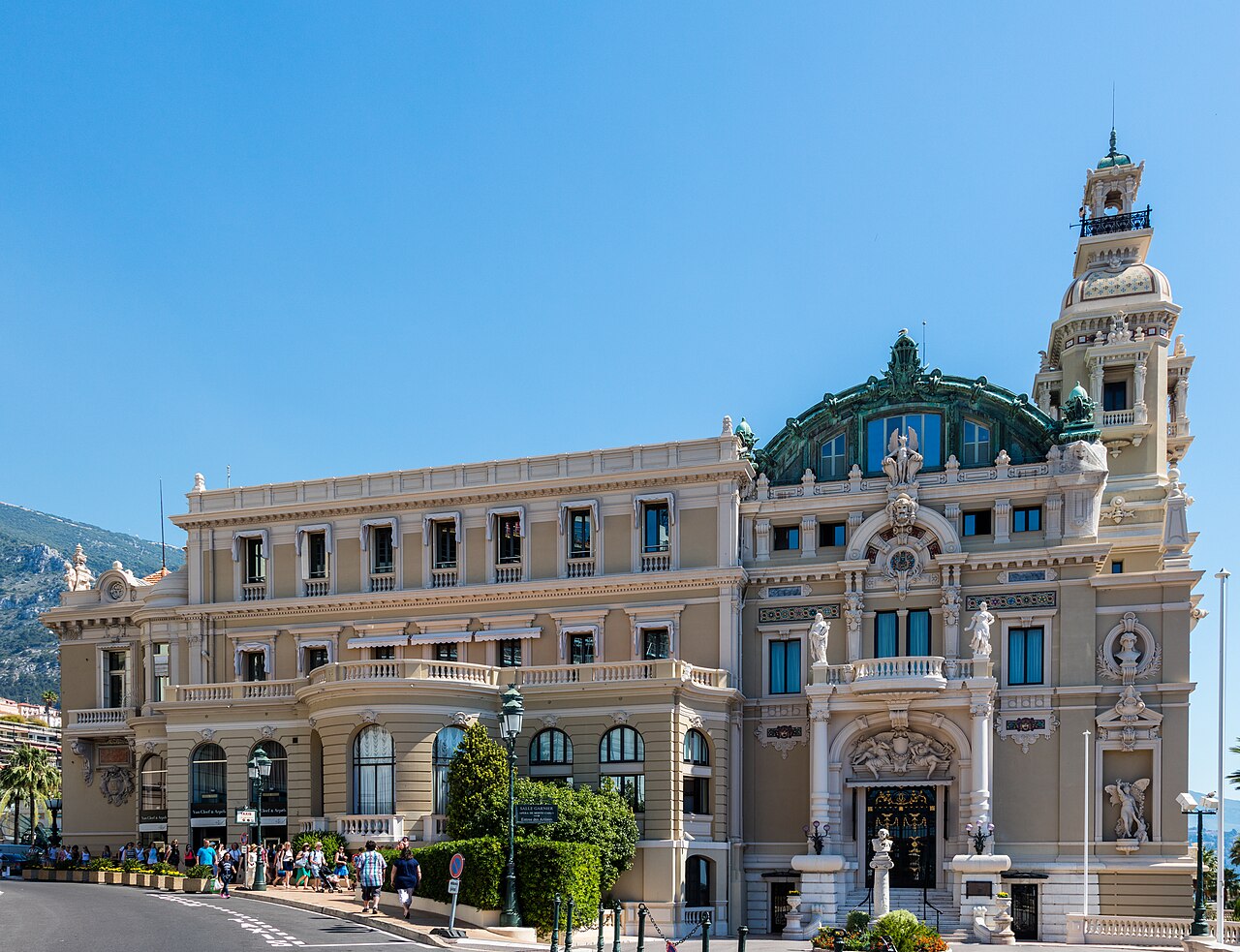
Monaco leans toward smart dressing. For daytime sightseeing, clean casual clothing is perfectly acceptable. However, if you plan to visit the Casino de Monte-Carlo de Monte-Carlo, dress smartly: men need long trousers and closed shoes, and no sportswear is permitted in the gaming rooms. Many restaurants in Monte-Carlo and the Carre d'Or area expect smart casual attire, particularly in the evening.
Currency and payments
Monaco uses the euro. Credit and debit cards (Visa, Mastercard) are accepted virtually everywhere. Contactless payment is standard. ATMs are plentiful throughout the Principality.
Language
The official language is French, but English is widely spoken in hotels, restaurants and shops. Italian is also commonly heard, given Monaco's proximity to the Italian border.
Safety
Monaco is exceptionally safe. The Principality has one of the highest police-to-resident ratios in the world, complemented by extensive CCTV coverage. Violent crime is virtually non-existent. Normal precautions apply for personal belongings in crowded tourist areas.
Suggested itinerary ideas
Half day
Walk through the Old Town (Monaco-Ville) to see the Prince's Palace and the Cathedral. Visit the Oceanographic Museum, then stroll down to the Port Hercule and up to the Casino Square.
Full day
Add a visit to the Exotic Garden and its cave, lunch at the Condamine Market, an afternoon at Larvotto Beach, and end with a drink on the Casino terrace.
Two days
Include the Japanese Garden, the Nouveau Musee National galleries, a walk through Fontvieille Park, and explore the restaurants of La Condamine and Monte-Carlo at a more relaxed pace.
Practical tips
- parking guide: if driving, use the public underground car parks. Street parking is very limited.
- Water: tap water is safe to drink.
- Electricity: standard European plugs (type C and E), 230V.
- Tipping: service is included, but rounding up or leaving a few euros is appreciated.
- Public holidays: Monaco observes its own public holidays, and many businesses close on National Day (19 November) and other key dates.
Related guides
- Getting to Monaco
- Parking Guide
- Public Transport
- Casino Monte Carlo
- Museums & Monuments
- Restaurants Guide
You might also need
- Getting to Monaco — Plan your journey to Monaco
- Museums & Monuments — Explore cultural attractions
- Restaurants Guide — Discover dining options
- Safety in Monaco — Stay safe while visiting
Frequently asked questions
The information provided is for general guidance only. For official procedures, always consult the official sources.
Related pages
See all guidesMuseums and monuments in Monaco: a comprehensive visitor guide
A guide to Monaco's museums and monuments: the Oceanographic Museum, Prince's Palace, Cathedral and more, with practical visitor information.
Monaco Oceanographic Museum: Complete Visitor's Guide
Guide to the Musee Oceanographique de Monaco: exhibits, aquarium, tickets, opening hours and tips for visiting with children.
Day trips from Monaco: Eze, Menton, Nice and the French Riviera
Guide to the best day trips from Monaco: hilltop villages, coastal towns, transport options and what to see nearby on the Cote d'Azur.
Art auctions and auction houses in Monaco
Guide to art auctions, auction houses, and the art market in Monaco including galleries and dealers.