
Getting to Monaco: airport transfers, train, car and helicopter
How to get to Monaco from Nice airport and beyond: by car, train, helicopter and bus. A practical access guide for visitors and new residents.
Key facts
- Nearest airport
- Nice Cote d'Azur (NCE), ~30 km
- Train from Nice
- ~20 minutes (TER)
- Helicopter from Nice airport
- ~7 minutes
- Monaco train station
- Gare de Monaco-Monte-Carlo (underground)
- No airport in Monaco
- Heliport only (Monaco Heliport)
How to reach Monaco
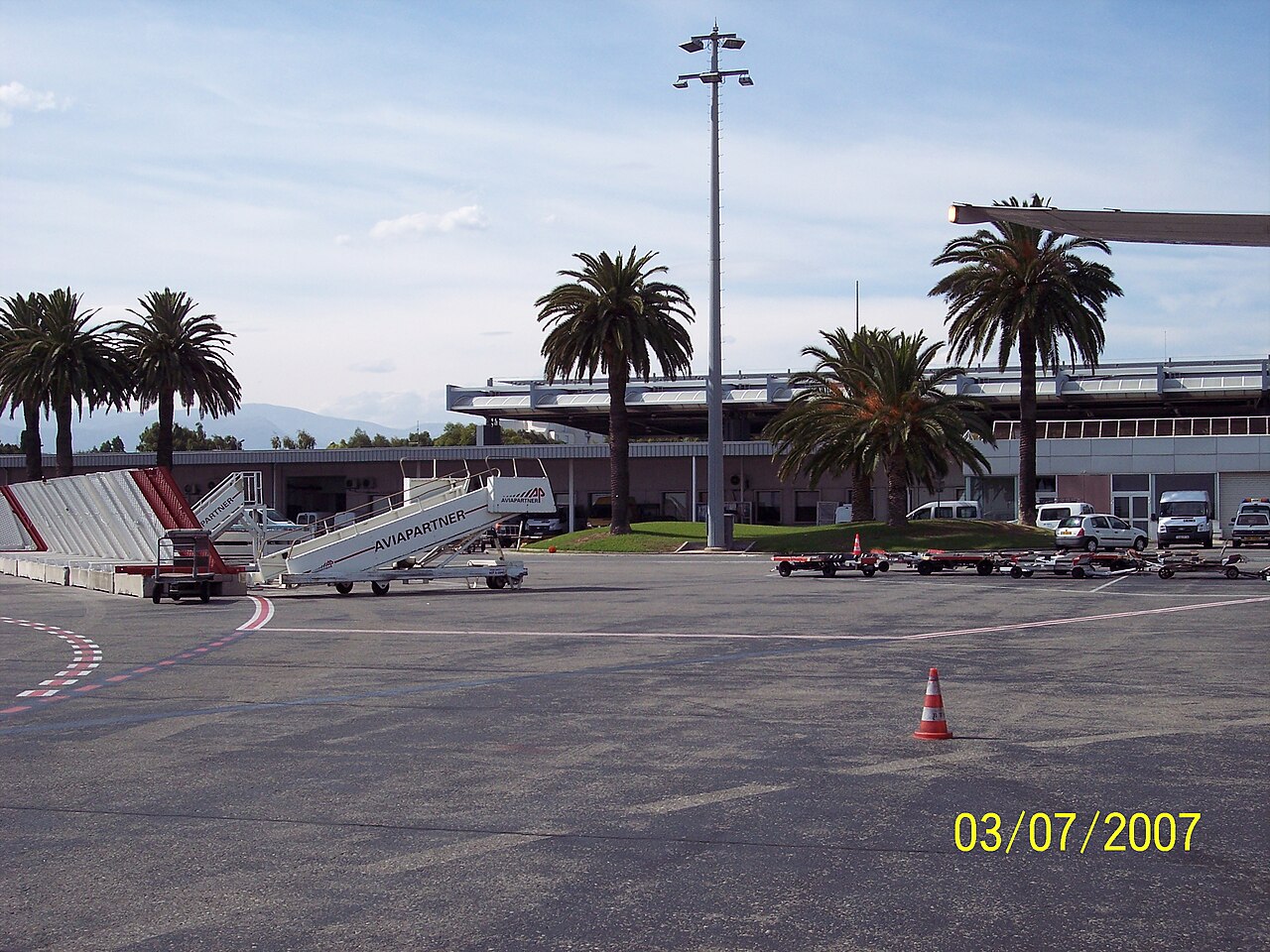
Monaco does not have its own airport. The nearest international airport is Nice Cote d'Azur (NCE), located approximately 30 kilometres to the west along the coast. Despite this, Monaco is exceptionally well connected by road, rail, helicopter and public transport.
From Nice Cote d'Azur airport
By helicopter
The most distinctive way to arrive in Monaco is by helicopter. Monacair operates regular scheduled flights between Nice airport and the Monaco Heliport in Fontvieille. The flight takes roughly seven minutes and offers spectacular views of the coastline. One-way fares start at around 150 to 200 EUR. This is a practical option for frequent travellers and is commonly used by residents.
By taxi or private car
A taxi from Nice airport to Monaco costs approximately 80 to 100 EUR and takes 30 to 45 minutes via the A8 motorway, though traffic on the coastal roads can extend this significantly, particularly in summer and during events. Private transfer services and rideshares are also available at the airport.
By bus
The Zou! line 110 express bus runs directly from Nice airport to Monaco, with stops along the coast. The journey takes 45 minutes to one hour. Tickets cost a few euros, making this the most budget-friendly option. Buses run regularly throughout the day.
By train
There is no direct train from the airport, but you can take a bus or tram to Nice-Ville station and then board a TER regional train to Monaco-Monte-Carlo. The train ride itself takes approximately 20 minutes and runs along the coast with frequent departures. A single ticket costs around 4 to 5 EUR.
By car
Monaco is accessible via the A8 motorway (La Provencale) from both France and Italy. From Nice, take the A8 eastbound and exit at Monaco. From Italy, the A8 connects via Ventimiglia. The scenic lower corniche road (Basse Corniche) is a beautiful alternative but slower.
parking guide in Monaco is available in numerous underground public car parks. Street parking is very limited. Be aware that traffic can be heavy, particularly during the Grand Prix period and other major events.
By train (long distance)
The Gare de Monaco-Monte-Carlo is an underground station served by regional TER trains and some long-distance TGV services. Direct or connecting trains reach Monaco from Paris (approximately 6 hours by TGV via Nice), Marseille, Genoa and other cities along the Mediterranean corridor.
The Monaco Heliport
The Monaco Heliport in Fontvieille is the Principality's gateway for helicopter arrivals. It serves scheduled flights from Nice airport and private charter flights. The heliport is centrally located and a short taxi ride from anywhere in Monaco.
Related guides
You might also need
- Visiting Monaco — Plan your visit
- Parking Guide — Parking on arrival
- Public Transport — Getting around
Frequently asked questions
The information provided is for general guidance only. For official procedures, always consult the official sources.
Related pages
See all guidesLiving in Beausoleil and commuting to Monaco
A practical guide to living in Beausoleil or nearby French towns while working in Monaco: border crossings, transport, costs and what to expect.
Registering with Your Consulate in Monaco
Guide to consular registration for foreign nationals living in Monaco, including requirements and benefits.
Your First Month In Monaco - Essential Setup And Integration
your first month in Monaco covering arrival logistics, registration, banking, healthcare, and community integration
Living In Monaco: What You Need To Know
' to understand before moving to Monaco: residency, taxation, daily life and key steps.'