
Visiting the Prince's Palace of Monaco
Complete guide to visiting the Prince's Palace — state apartments, history, changing of the guard, visiting information
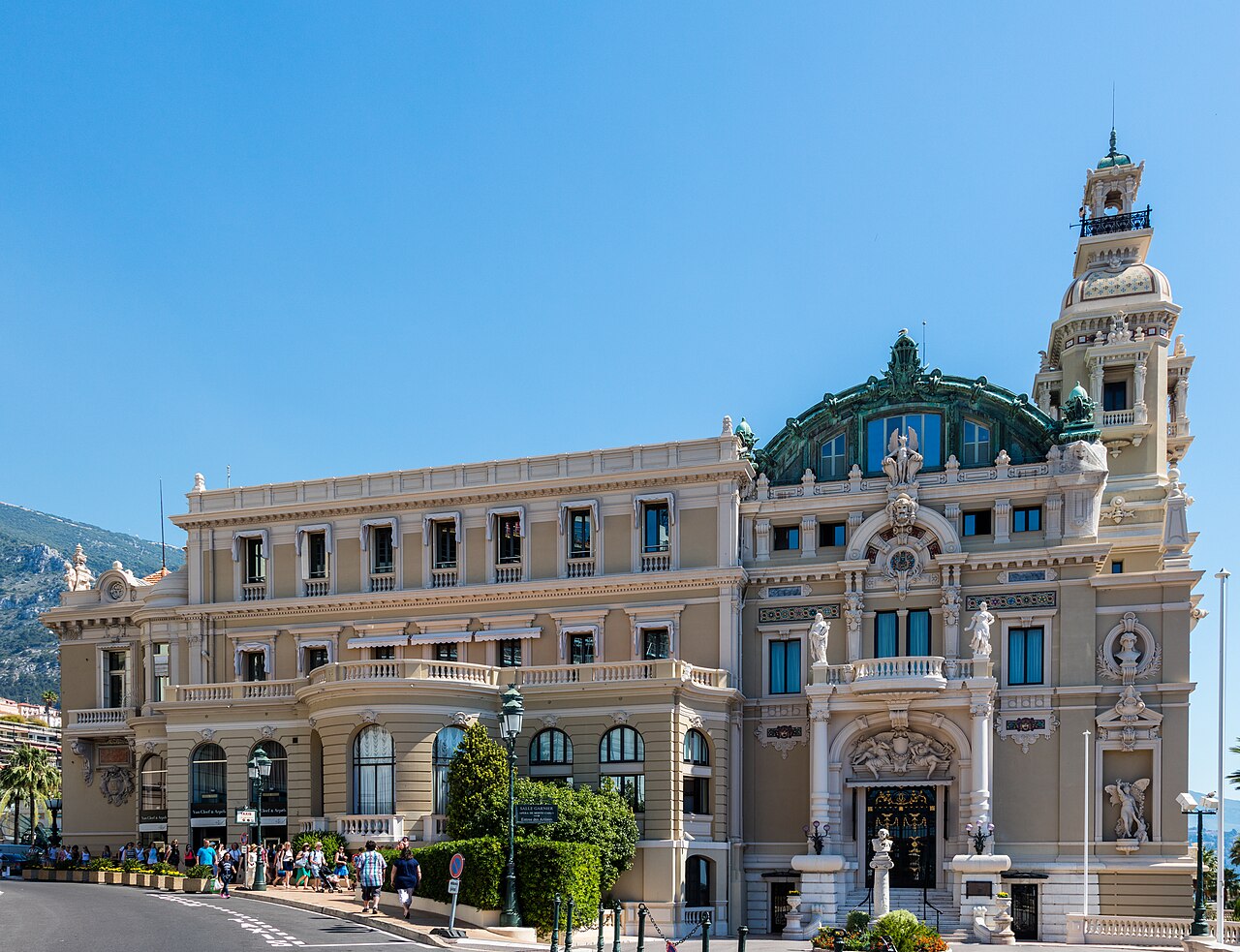
Prince's Palace Overview
Historical Significance
Monaco's royal residence:
- Medieval origins — Original fortress dating to 12th century
- Continuous occupation — Seat of Monegasque rule since medieval times
- Architectural evolution — Medieval fortress, Renaissance additions, Baroque modifications, modern updates
- Symbol of sovereignty — Central to Monaco's independence and identity
- Current resident — Official residence of Prince Albert II
- Historical importance — Records of Monegasque governance housed within
Current Status
Modern use and access:
- Active residence — Prince Albert II lives here
- Official functions — Government ceremonies and state events
- Public access — Limited to specific seasons and designated areas
- Cultural heritage — Protected historic monument
- Tourist attraction — Major visitor draw
Visiting the State Apartments
Opening and Hours
Public access information:
Typical opening season:
- June–September — Primary open season
- Specific dates — Vary by year; check official website
- Operating hours — Morning and afternoon hours typical
- Daily schedule — Open most days; occasional closures for official events
Important: Verify exact opening dates, hours, and any closures before planning visit.
Admission and Tickets
Practical visit information:
- Admission fee — €8–10 approximate (confirm current pricing)
- Ticket purchase — At gate or in advance (check options)
- Duration — Self-guided tour typically 1–2 hours
- Audio guides — May be available (check availability)
- Group discounts — Possible; inquire when booking
What to See
State apartments open to public:
Rooms typically included:
| Room | Details |
|---|---|
| Throne Room | Formal state reception space |
| Drawing Rooms | Reception and entertaining spaces |
| Chapel | Palace chapel; religious significance |
| Historical Galleries | Weapons, artwork, historical items |
| Furnishings — Historic furnishings, tapestries, decor | |
| Courtyard — Exterior spaces; architectural features |
Highlights:
- Historic furnishings and décor
- Artwork and collections
- Architectural details and renovation work
- Window views of Monaco and harbor
- Historical context and interpretation
Visitor Experience
What to expect:
Self-guided visit:
- Enter through public gate area
- Receive information/audio guide
- Walk through designated state apartments
- No guide accompaniment; self-directed pace
- Photography may be restricted in some areas
- Duration: typically 1–2 hours
Atmosphere:
- Historic, formal setting
- Quiet, respectful environment
- Museum-like presentation
- Maintained and curated spaces
- Professional interpretation available
Changing of the Guard
Ceremonial Guard Change
Daily ritual spectacle:
Details:
- Time — 11:55 AM daily (verify current time)
- Location — Palace gates/courtyard area (visible from outside)
- Duration — 10–15 minutes typical
- Formal ceremony — Uniformed guards perform ceremonial change
- Public viewing — Free to observe from public areas
- Photography — Generally permitted (check current policy)
- No tickets needed — Free public event
Viewing the Ceremony
How to attend:
Logistics:
- Arrive before 11:55 AM
- Position yourself at palace gates or viewing area
- Observe ceremony (stands or lean against barriers)
- Takes approximately 10–15 minutes
- Guards depart; ceremony ends
Best practices:
- Arrive early (popular; standing room limited)
- Bring camera/phone for photos
- Respect ropes and barriers
- Allow others to view
- Be quiet and respectful during ceremony
- Summer season most reliable for viewing
Ceremonial Details
What happens:
- Incoming guard — New guards arrive in formation
- Inspection — Officer inspects guard appearance
- Exchange — Formal exchange of duties between old and new guards
- Marching — Organized military-style movement
- Formal salutes — Ceremonial salutes exchanged
- Departure — Old guard departs; new guard assumes position
Significance:
- Maintains Monaco's military tradition
- Daily public spectacle demonstrating order
- Tourist attraction and cultural ceremony
- Formal, dignified presentation
Palace Architecture and History
Architectural Evolution
Building changes over centuries:
| Period | Modifications |
|---|---|
| 12th century | Original fortress construction |
| Medieval | Defensive fortifications |
| Renaissance | Ornamental additions |
| Baroque | Decorative elements |
| Modern | Utilities, security, updates |
Current Architecture
Visible features:
- Medieval structure — Original fortress bones remain
- Renaissance elements — Ornamental gates, windows
- Baroque additions — Decorative details, internal finishing
- Modern amenities — Electricity, plumbing, climate control (behind scenes)
- Preserved character — Historic appearance maintained despite updates
- Courtyard — Central court typical of medieval palace design
Location and Access
Getting There
Palace location:
- Address — 8 rue Basse, Monaco-Ville (approximate)
- District — Old town; historic area
- Walking — Accessible from most Monaco locations
- Public transit — Short bus ride from central Monaco
- Parking — Limited; street parking or paid lots nearby
- Climb — Located on hillside; involves walking uphill
Surrounding Area
Nearby attractions:
- Cathedral — Close proximity; combined visit possible
- Old town streets — Historic area exploration
- Museum — NMNM relatively nearby
- Harbor views — Overlooking port and Mediterranean
- Restaurants — Various dining options in old town
Visiting Practical Information
What to Bring
Essentials:
- Comfortable shoes — Walking required; stairs inside palace
- Camera — Photography opportunities (verify restrictions)
- Light layers — Temperature variation; cold stone interiors
- Hat/sunglasses — Sunny courtyard areas
- Water bottle — Stay hydrated during visit
- Walking stick — Optional but helpful for stairs
- Patience — Self-guided pace; may be crowded
Dress Code and Etiquette
Respectful visiting:
- Smart casual minimum — No beachwear or athletic wear
- Respect — Quiet, dignified behavior expected
- Photography — Check current policy; some areas may restrict
- Touching — Don't touch furnishings or displays
- Group behavior — Quiet talking only
- Time awareness — Don't linger excessively in rooms
Accessibility
Physical considerations:
- Stairs — Multiple staircases; challenging for mobility-limited
- Uneven floors — Historic building; floors may be uneven
- Wheelchair access — Limited; inquire about specific options
- Walking distance — Moderate within palace
- Duration — 1–2 hours standing/walking typical
Planning Your Visit
Before You Go
Preparation steps:
- Check website — Verify current opening dates and hours
- Plan timing — Summer season recommended
- Consider weather — Comfortable walking conditions
- Book if possible — Advance purchase may be available
- Arrange transportation — How to arrive and park
- Decide what to see — Changing of guard, state apartments, or both
Timing Suggestions
Sample visit schedule:
Morning visit:
- Arrive before 11:55 AM for changing of guard
- Watch 15-minute ceremony (11:55 AM)
- Enter palace for state apartment tour (12:15 PM onward)
- Tour palace (1–2 hours)
- Exit by early afternoon
Afternoon visit:
- Enter palace late morning
- Tour state apartments (1–2 hours)
- Exit for lunch
- Return evening if available
Combined Attractions
Multi-site visits:
- Palace + Cathedral (adjacent; 30 min combined)
- Palace + old town walk (historic exploration)
- Palace + harbor views (short walk)
- Changing of guard + dining in old town
- Palace + museum visit
Photography and Souvenirs
Photography
Capturing memories:
- Palace exterior — Freely photographed
- Guard ceremony — Generally permitted
- Interior — Policy varies; check on-site
- Respect — Don't photograph other visitors without consent
- Guidelines — Follow any posted restrictions
Official Information
Getting details:
- Brochures — Available at palace or tourist office
- Website — www.palais.mc has comprehensive information
- Guidebooks — Souvenir guides available at entrance
Special Events and Ceremonies
Occasional Special Events
Beyond routine opening:
- National holidays — Additional ceremonies may occur
- Royal events — Occasional special occasions
- Historical commemorations — Anniversary events
- State ceremonies — Official government functions
- Check website — For special events calendar
Contact and Information
For detailed information:
- Official website — www.palais.mc
- Visit Monaco — www.visitmonaco.com
- Phone — Check website for contact number
- Tourist office — In-person assistance available
- Email — Contact through official website if available
Important Notes
- Palace is official residence; access limited
- Opening dates and hours change yearly; verify before visiting
- State apartments seasonally open (summer primarily)
- Changing of guard free and reliable daily event
- Photography policies may vary; respect restrictions
- Respect privacy and security protocols
- Formal, dignified behavior expected
Verify current information and opening dates before planning visit to ensure accurate visit planning.
Domande frequenti
Le informazioni fornite sono a titolo indicativo. Per le procedure ufficiali, consultare sempre le fonti ufficiali.
Pagine correlate
Vedi tutte le guideEscursioni di un giorno da Monaco: Eze, Mentone, Nizza e la Costa Azzurra
Guida alle migliori escursioni di un giorno da Monaco: villaggi collinari, città costiere, opzioni di trasporto e cosa vedere nelle vicinanze sulla Costa Azzurra.
Aste d'arte a Monaco: gallerie e case d'asta
Guida alle aste d'arte, case d'asta e mercato dell'arte a Monaco, incluse gallerie e rivenditori
Gallerie d'Arte a Monaco: Elenco Completo e Guida
Guida alle gallerie d'arte di Monaco: museo NMNM, gallerie commerciali, fiere d'arte e scena artistica contemporanea del Principato.
Gallerie d'Arte di Monaco: Guida Completa delle Gallerie
Guida completa alle 43+ gallerie d'arte di Monaco: Hauser & Wirth, Sotheby's, Artcurial, Opera Gallery, e 39+ altre. Orari, ubicazioni, specialità