Water Sports in Monaco: Seasons, Conditions and Rules
When to get on the water in Monaco — sea temperatures month by month, wind and sea conditions, marine reserve and swimming-zone rules, licences and emergency contacts.
Key facts
- Sea temperature
- 14–15 °C in winter, 21–25 °C from June to September
- Best conditions
- Early morning, when the bay is usually flat
- Peak season
- June to September for motorised sports and snorkelling
- Protected zone
- Larvotto Marine Reserve — restrictions on anchoring, fishing and diving
- Emergencies at sea
- Monaco harbour master on VHF channel 12; 18 or 112 on land
Planning around the water, not just the activity
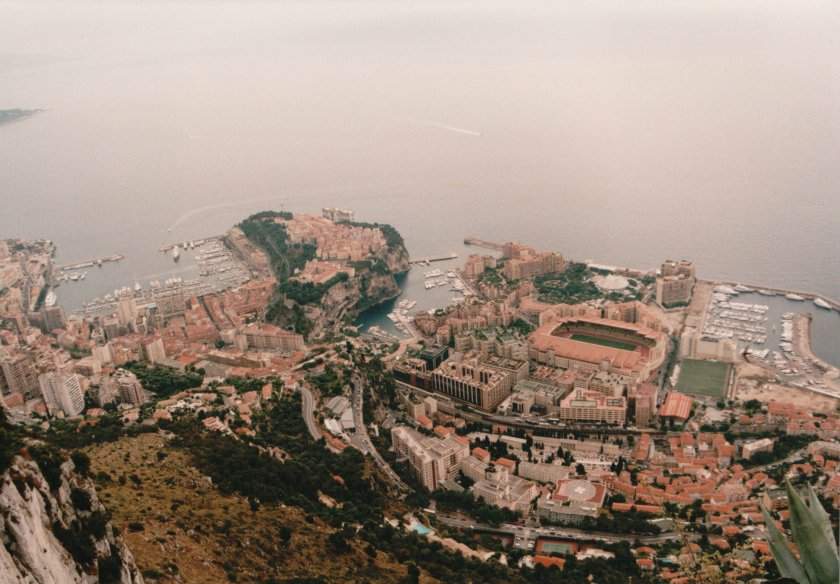
Monaco's bay is sheltered, its water is clean and the Mediterranean climate keeps the coast usable for far more of the year than most of Europe. But what you can realistically do on any given day depends less on what is available than on three things: the sea temperature, the state of the sea, and the rules governing where craft and swimmers may go.
This guide covers that planning layer. For the activities themselves — dive sites, operators, rental locations and current prices — see our full guide to water sports in Monaco: diving, jet-ski, paddleboarding and more.
Sea temperature and season
| Period | Sea temperature | What it means in practice |
|---|---|---|
| December–March | ~14–15 °C | Full wetsuit or drysuit for diving; beach rental operators largely closed |
| April–May | Warming | Shorty wetsuit comfortable; quiet water, good for learning |
| June–September | ~21–25 °C | Full season — swimming, snorkelling and motorised sports at their best |
| October–November | Cooling | Still mild; visibility for snorkelling holds up well into October |
Sailing and diving run year-round; it is the beach-based rentals — paddleboards, kayaks, snorkel gear — that follow the summer season. Snorkelling visibility is generally good from June to October.
Reading the conditions
The bay is naturally sheltered, and the calmest water of the day is almost always early in the morning. That is the window beginners should aim for, particularly on a paddleboard, where an afternoon chop makes a first lesson considerably harder than it needs to be.
Conditions can change quickly. Météo-France marine forecasts cover the Monaco zone, and sudden winds — the Mistral in particular — can turn a flat morning into an unworkable afternoon. Check the forecast before going out rather than on arrival at the water.
Rules that shape where you can go
Monaco's coastline is small and heavily used, so the zoning matters more here than on an open stretch of coast:
- Marked swimming zones. The bathing areas at Larvotto are delimited by buoys. Powered and towed craft must stay outside them.
- Larvotto Marine Reserve. A protected underwater zone of posidonia seagrass beds, home to grouper, sea bream and octopus. Fishing and anchoring are restricted, and diving inside the reserve requires authorisation.
- Jet-skis and the beaches. Motorised craft are not allowed in the immediate vicinity of the beaches. This is why rental operators cluster at Cap-d'Ail and in the ports to the east and west rather than in Monaco itself.
- Licences. Unpowered sports need nothing. For a jet-ski used independently in the adjacent French waters, a coastal licence may be required; guided sessions with an instructor generally are not subject to that requirement for the participant.
If something goes wrong
For an emergency at sea, contact the Monaco harbour master on VHF channel 12. On land, call 18 for the fire and rescue service or 112, the European emergency number. Basic precautions apply as anywhere: do not go out alone, use the buddy system when diving, check your equipment before entering the water, and follow the instructions of operators and instructors.
For beach-specific safety, flags and lifeguard cover, see our beach safety guide.
Where the water is
The Principality's usable coastline is short and each stretch serves a different purpose:
- Larvotto — Monaco's main public beach and the access point for swimming, snorkelling and beach-based rentals, with the marine reserve directly offshore.
- Port Hercule — the sheltered harbour, used for paddleboarding along the quays and as the base for sailing with the Yacht Club de Monaco.
- Cap-d'Ail and the neighbouring ports — where motorised rentals and most dive centres operate, a short trip either side of the border.
For an overview of all the beach options, including the private clubs, see our guide to Monaco's beaches.
Frequently asked questions
The information provided is for general guidance only. For official procedures, always consult the official sources.
Related pages
See all guidesAS Monaco FC: History, Matches and How to Get Tickets
Everything you need to know about AS Monaco FC — history, Stade Louis II, match days, ticket prices, and how to follow the club in French Ligue 1.
Gyms and Fitness in Monaco: Where to Work Out
Guide to gyms and fitness in Monaco — hotel gyms, fitness centres, group classes, cycling, and typical membership costs.
Rolex Monte-Carlo Masters: Guide to the Tennis Tournament
Complete guide to the Rolex Monte-Carlo Masters — tournament history, how to buy tickets, getting to the Monte-Carlo Country Club, and what to expect courtside.
Running and Cycling in Monaco: Routes, Events and Tips
Guide to running and cycling in Monaco — popular routes along Larvotto and Fontvieille, the No Finish Line charity run, Monaco Run, and cycling to Nice and Menton.