
Property Law in Monaco: Buying, Renting and the Loi Domaniale
Guide to Monaco property law — buying vs renting, the loi domaniale state-land lease system, copropriété rules, notary role in transactions, registration fees (~6.5%), and foreign ownership rules.
Overview
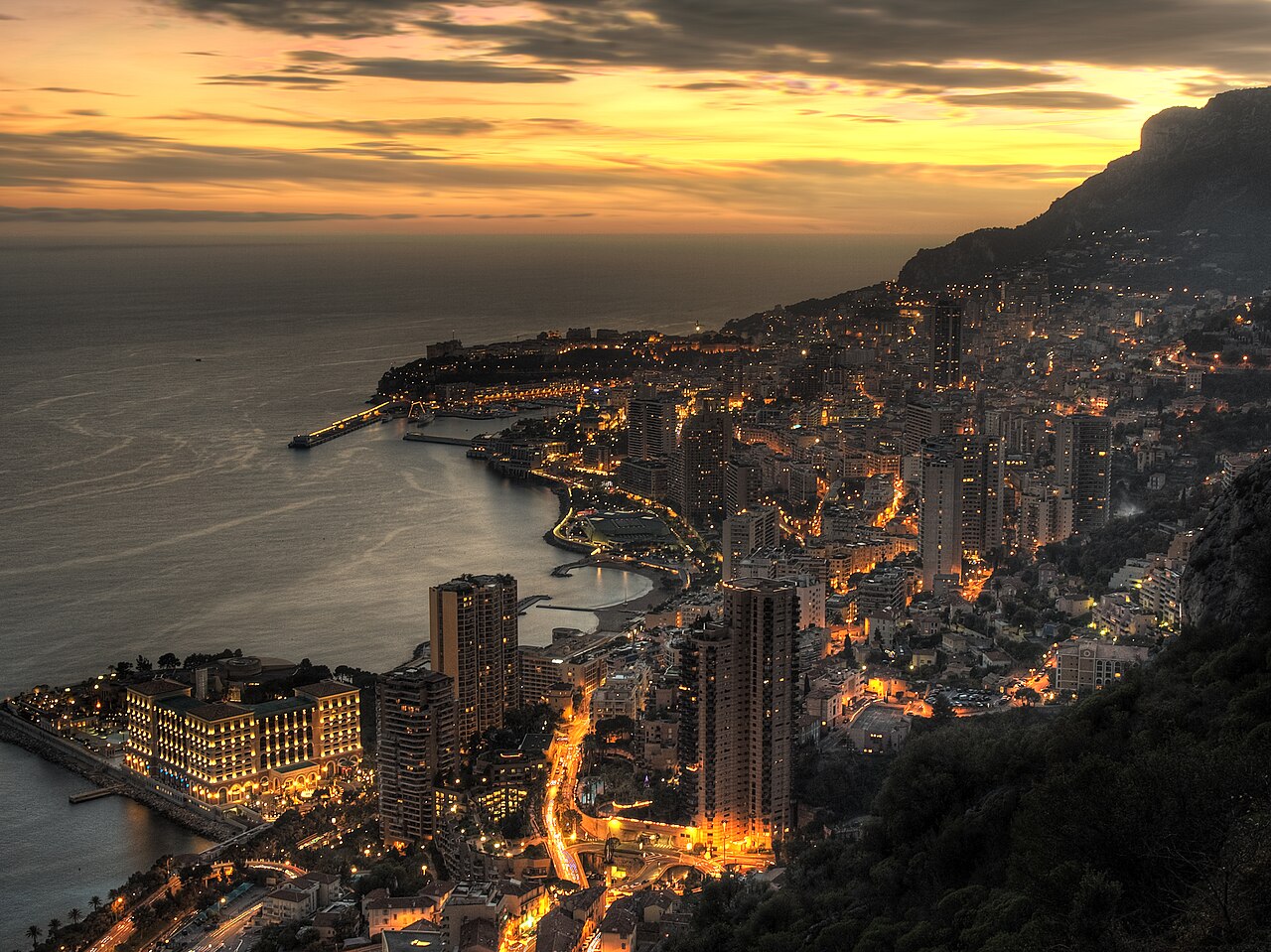
Property in Monaco operates under a distinctive legal framework shaped by the Principality's extremely limited territory (just over 2 km²) and its unique sovereign history. The high demand for property and restricted supply make Monaco one of the most expensive real estate markets in the world, with prices frequently exceeding EUR 50,000 per square metre in prime locations.
Understanding the distinction between freehold ownership, state-land leases, and the regulated rental market is essential for anyone considering a property transaction in Monaco.
Buying property
Foreign ownership
There are no nationality restrictions on purchasing property in Monaco. Foreign nationals — whether or not they are Monaco residents — may freely acquire real estate. However, buying property does not automatically confer residence rights. To obtain a Monaco residence card, a property owner must separately apply through the standard residency procedure, which includes opening a bank account and demonstrating sufficient financial means.
The loi domaniale (state-land lease system)
A significant portion of Monaco's land is owned by the State (domaine de l'État). Buildings constructed on state-owned land are subject to the loi domaniale — a long-term lease system rather than outright freehold ownership. Key features:
- The State retains ownership of the land; the purchaser acquires a long-term lease (typically 99 years, but sometimes 30 or 70 years).
- Lease terms are set by Sovereign Ordinance.
- Upon expiry, the lease may be renewed under conditions determined by the State, or the land and buildings may revert to the State.
- Properties on state-owned land are generally less expensive than freehold properties, reflecting the leasehold nature.
Not all property in Monaco is on state land. Some buildings stand on privately owned land (propriété privée), conferring full freehold ownership. The notary handling the transaction will verify the land status.
Registration fees and taxes
The principal cost associated with a property purchase — beyond the price itself — is the registration duty (droit d'enregistrement):
- Registration duty: approximately 6.5% of the purchase price, payable by the buyer at the time of the sale.
- Notary fees: regulated emoluments calculated as a percentage of the transaction value, forming a smaller additional cost.
- There is no annual property tax (taxe foncière) in Monaco.
- There is no capital gains tax for individuals on the sale of Monaco property.
The purchase process
- Preliminary agreement (compromis de vente) — a binding contract signed by buyer and seller, typically accompanied by a deposit of 10% of the purchase price.
- Due diligence — the notary verifies the title, checks for encumbrances (mortgages, easements), and confirms the land status.
- Final deed (acte de vente) — signed before a Monaco notary, who authenticates the transfer. The registration duty is paid at this stage.
- Registration — the notary registers the sale with the Monegasque authorities.
The entire process typically takes two to three months from the preliminary agreement to completion.
Copropriété (co-ownership)
Most Monaco apartments are held under a copropriété regime, governed by the Monegasque law on co-ownership. Key rules:
- Each owner holds a private lot (their apartment) and a share of the common areas (entrance, lifts, gardens, facades).
- A syndicat de copropriétaires (owners' association) manages the building, elects a syndic (property manager), and votes on budgets and works.
- Major decisions (structural works, changes to common areas) require qualified or double-majority votes at the general assembly.
- Annual charges (charges de copropriété) cover building maintenance, insurance, staff, and reserve funds.
Renting property
The rental market
Monaco's rental market is divided into two distinct sectors:
- Secteur libre (free market) — rents are set freely by agreement between landlord and tenant. This sector applies to most luxury and high-end properties.
- Secteur protégé (protected sector) — a system of regulated rents reserved for Monegasque nationals and long-term residents meeting specific criteria. Rents in this sector are significantly below market rates, and the State plays an active role in allocating housing.
Tenant protections
For the free-market sector, standard lease terms apply:
- Residential leases are typically for one year, renewable.
- Notice periods for termination are governed by the lease terms, usually three months.
- Deposits of two to three months' rent are standard.
In the protected sector, tenants benefit from stronger protections, including rent controls and restrictions on eviction.
Registration
All rental agreements in Monaco must be registered with the Direction de l'Habitat. This formality is the responsibility of the landlord.
Practical tips
- Always engage a Monaco notary early in the purchase process — the notary's role is essential and cannot be bypassed.
- Verify whether the property is on state-owned land or private land, as this fundamentally affects your ownership rights.
- Budget approximately 7% to 8% above the purchase price for registration duties, notary fees, and ancillary costs.
- If purchasing for residency purposes, coordinate with your bank and the Section des Résidents well in advance.
- For rentals, ensure the lease is registered with the Direction de l'Habitat to protect your rights as a tenant.
The information provided is for general guidance only. For official procedures, always consult the official sources.
Related pages
See all guidesBusiness Disputes in Monaco: Litigation, Arbitration and Enforcement
Guide to resolving business disputes in Monaco — the Tribunal de Première Instance commercial division, arbitration at the Centre de Médiation, international enforcement, timelines and costs.
Consumer Rights in Monaco: Protections, Disputes and Remedies
Guide to consumer protection in Monaco — the Direction du Commerce et de l'Industrie, warranty obligations, return policies, dispute resolution and mediation options.
Data Privacy in Monaco: CCIN, Law No. 1.165 and Personal Data Protection
Guide to data privacy in Monaco — the CCIN supervisory authority, Law No. 1.165 on personal data protection, GDPR-like framework, data subject rights, business obligations, and penalties.
Employment Law in Monaco: Contracts, Protections and Labour Courts
Comprehensive guide to Monaco's employment law — the Code du Travail, CDI and CDD contracts, termination procedures, the Tribunal du Travail, employee protections, and collective agreements.