
Visiting the Prince's Palace of Monaco
Complete guide to visiting the Prince's Palace — state apartments, history, changing of the guard, visiting information
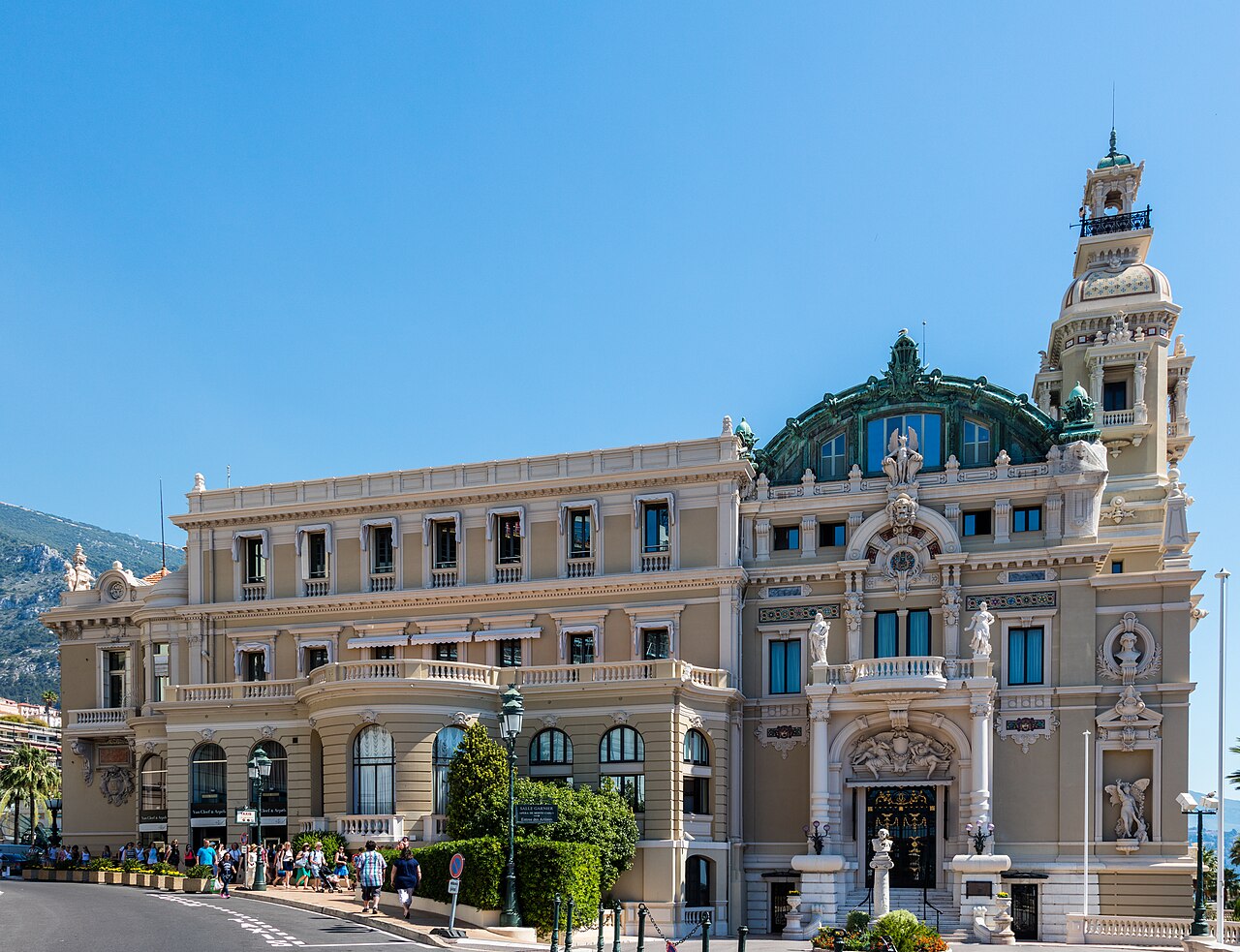
Prince's Palace Overview
Historical Significance
Monaco's royal residence:
- Medieval origins — Original fortress dating to 12th century
- Continuous occupation — Seat of Monegasque rule since medieval times
- Architectural evolution — Medieval fortress, Renaissance additions, Baroque modifications, modern updates
- Symbol of sovereignty — Central to Monaco's independence and identity
- Current resident — Official residence of Prince Albert II
- Historical importance — Records of Monegasque governance housed within
Current Status
Modern use and access:
- Active residence — Prince Albert II lives here
- Official functions — Government ceremonies and state events
- Public access — Limited to specific seasons and designated areas
- Cultural heritage — Protected historic monument
- Tourist attraction — Major visitor draw
Visiting the State Apartments
Opening and Hours
Public access information:
Typical opening season:
- June–September — Primary open season
- Specific dates — Vary by year; check official website
- Operating hours — Morning and afternoon hours typical
- Daily schedule — Open most days; occasional closures for official events
Important: Verify exact opening dates, hours, and any closures before planning visit.
Admission and Tickets
Practical visit information:
- Admission fee — €8–10 approximate (confirm current pricing)
- Ticket purchase — At gate or in advance (check options)
- Duration — Self-guided tour typically 1–2 hours
- Audio guides — May be available (check availability)
- Group discounts — Possible; inquire when booking
What to See
State apartments open to public:
Rooms typically included:
| Room | Details |
|---|---|
| Throne Room | Formal state reception space |
| Drawing Rooms | Reception and entertaining spaces |
| Chapel | Palace chapel; religious significance |
| Historical Galleries | Weapons, artwork, historical items |
| Furnishings — Historic furnishings, tapestries, decor | |
| Courtyard — Exterior spaces; architectural features |
Highlights:
- Historic furnishings and décor
- Artwork and collections
- Architectural details and renovation work
- Window views of Monaco and harbor
- Historical context and interpretation
Visitor Experience
What to expect:
Self-guided visit:
- Enter through public gate area
- Receive information/audio guide
- Walk through designated state apartments
- No guide accompaniment; self-directed pace
- Photography may be restricted in some areas
- Duration: typically 1–2 hours
Atmosphere:
- Historic, formal setting
- Quiet, respectful environment
- Museum-like presentation
- Maintained and curated spaces
- Professional interpretation available
Changing of the Guard
Ceremonial Guard Change
Daily ritual spectacle:
Details:
- Time — 11:55 AM daily (verify current time)
- Location — Palace gates/courtyard area (visible from outside)
- Duration — 10–15 minutes typical
- Formal ceremony — Uniformed guards perform ceremonial change
- Public viewing — Free to observe from public areas
- Photography — Generally permitted (check current policy)
- No tickets needed — Free public event
Viewing the Ceremony
How to attend:
Logistics:
- Arrive before 11:55 AM
- Position yourself at palace gates or viewing area
- Observe ceremony (stands or lean against barriers)
- Takes approximately 10–15 minutes
- Guards depart; ceremony ends
Best practices:
- Arrive early (popular; standing room limited)
- Bring camera/phone for photos
- Respect ropes and barriers
- Allow others to view
- Be quiet and respectful during ceremony
- Summer season most reliable for viewing
Ceremonial Details
What happens:
- Incoming guard — New guards arrive in formation
- Inspection — Officer inspects guard appearance
- Exchange — Formal exchange of duties between old and new guards
- Marching — Organized military-style movement
- Formal salutes — Ceremonial salutes exchanged
- Departure — Old guard departs; new guard assumes position
Significance:
- Maintains Monaco's military tradition
- Daily public spectacle demonstrating order
- Tourist attraction and cultural ceremony
- Formal, dignified presentation
Palace Architecture and History
Architectural Evolution
Building changes over centuries:
| Period | Modifications |
|---|---|
| 12th century | Original fortress construction |
| Medieval | Defensive fortifications |
| Renaissance | Ornamental additions |
| Baroque | Decorative elements |
| Modern | Utilities, security, updates |
Current Architecture
Visible features:
- Medieval structure — Original fortress bones remain
- Renaissance elements — Ornamental gates, windows
- Baroque additions — Decorative details, internal finishing
- Modern amenities — Electricity, plumbing, climate control (behind scenes)
- Preserved character — Historic appearance maintained despite updates
- Courtyard — Central court typical of medieval palace design
Location and Access
Getting There
Palace location:
- Address — 8 rue Basse, Monaco-Ville (approximate)
- District — Old town; historic area
- Walking — Accessible from most Monaco locations
- Public transit — Short bus ride from central Monaco
- Parking — Limited; street parking or paid lots nearby
- Climb — Located on hillside; involves walking uphill
Surrounding Area
Nearby attractions:
- Cathedral — Close proximity; combined visit possible
- Old town streets — Historic area exploration
- Museum — NMNM relatively nearby
- Harbor views — Overlooking port and Mediterranean
- Restaurants — Various dining options in old town
Visiting Practical Information
What to Bring
Essentials:
- Comfortable shoes — Walking required; stairs inside palace
- Camera — Photography opportunities (verify restrictions)
- Light layers — Temperature variation; cold stone interiors
- Hat/sunglasses — Sunny courtyard areas
- Water bottle — Stay hydrated during visit
- Walking stick — Optional but helpful for stairs
- Patience — Self-guided pace; may be crowded
Dress Code and Etiquette
Respectful visiting:
- Smart casual minimum — No beachwear or athletic wear
- Respect — Quiet, dignified behavior expected
- Photography — Check current policy; some areas may restrict
- Touching — Don't touch furnishings or displays
- Group behavior — Quiet talking only
- Time awareness — Don't linger excessively in rooms
Accessibility
Physical considerations:
- Stairs — Multiple staircases; challenging for mobility-limited
- Uneven floors — Historic building; floors may be uneven
- Wheelchair access — Limited; inquire about specific options
- Walking distance — Moderate within palace
- Duration — 1–2 hours standing/walking typical
Planning Your Visit
Before You Go
Preparation steps:
- Check website — Verify current opening dates and hours
- Plan timing — Summer season recommended
- Consider weather — Comfortable walking conditions
- Book if possible — Advance purchase may be available
- Arrange transportation — How to arrive and park
- Decide what to see — Changing of guard, state apartments, or both
Timing Suggestions
Sample visit schedule:
Morning visit:
- Arrive before 11:55 AM for changing of guard
- Watch 15-minute ceremony (11:55 AM)
- Enter palace for state apartment tour (12:15 PM onward)
- Tour palace (1–2 hours)
- Exit by early afternoon
Afternoon visit:
- Enter palace late morning
- Tour state apartments (1–2 hours)
- Exit for lunch
- Return evening if available
Combined Attractions
Multi-site visits:
- Palace + Cathedral (adjacent; 30 min combined)
- Palace + old town walk (historic exploration)
- Palace + harbor views (short walk)
- Changing of guard + dining in old town
- Palace + museum visit
Photography and Souvenirs
Photography
Capturing memories:
- Palace exterior — Freely photographed
- Guard ceremony — Generally permitted
- Interior — Policy varies; check on-site
- Respect — Don't photograph other visitors without consent
- Guidelines — Follow any posted restrictions
Official Information
Getting details:
- Brochures — Available at palace or tourist office
- Website — www.palais.mc has comprehensive information
- Guidebooks — Souvenir guides available at entrance
Special Events and Ceremonies
Occasional Special Events
Beyond routine opening:
- National holidays — Additional ceremonies may occur
- Royal events — Occasional special occasions
- Historical commemorations — Anniversary events
- State ceremonies — Official government functions
- Check website — For special events calendar
Contact and Information
For detailed information:
- Official website — www.palais.mc
- Visit Monaco — www.visitmonaco.com
- Phone — Check website for contact number
- Tourist office — In-person assistance available
- Email — Contact through official website if available
Important Notes
- Palace is official residence; access limited
- Opening dates and hours change yearly; verify before visiting
- State apartments seasonally open (summer primarily)
- Changing of guard free and reliable daily event
- Photography policies may vary; respect restrictions
- Respect privacy and security protocols
- Formal, dignified behavior expected
Verify current information and opening dates before planning visit to ensure accurate visit planning.
Frequently asked questions
The information provided is for general guidance only. For official procedures, always consult the official sources.
Related pages
See all guidesMuseums and monuments in Monaco: a comprehensive visitor guide
A guide to Monaco's museums and monuments: the Oceanographic Museum, Prince's Palace, Cathedral and more, with practical visitor information.
Monaco Oceanographic Museum: Complete Visitor's Guide
Guide to the Musee Oceanographique de Monaco: exhibits, aquarium, tickets, opening hours and tips for visiting with children.
Day trips from Monaco: Eze, Menton, Nice and the French Riviera
Guide to the best day trips from Monaco: hilltop villages, coastal towns, transport options and what to see nearby on the Cote d'Azur.
Art auctions and auction houses in Monaco
Guide to art auctions, auction houses, and the art market in Monaco including galleries and dealers.