
Monaco-Ville: Old Town, Palace & Historic Heart
Monaco-Ville/Le Rocher guide. Prince's Palace, Cathedral, Oceanographic Museum, old town, medieval.
The Rock: Where Monaco Began
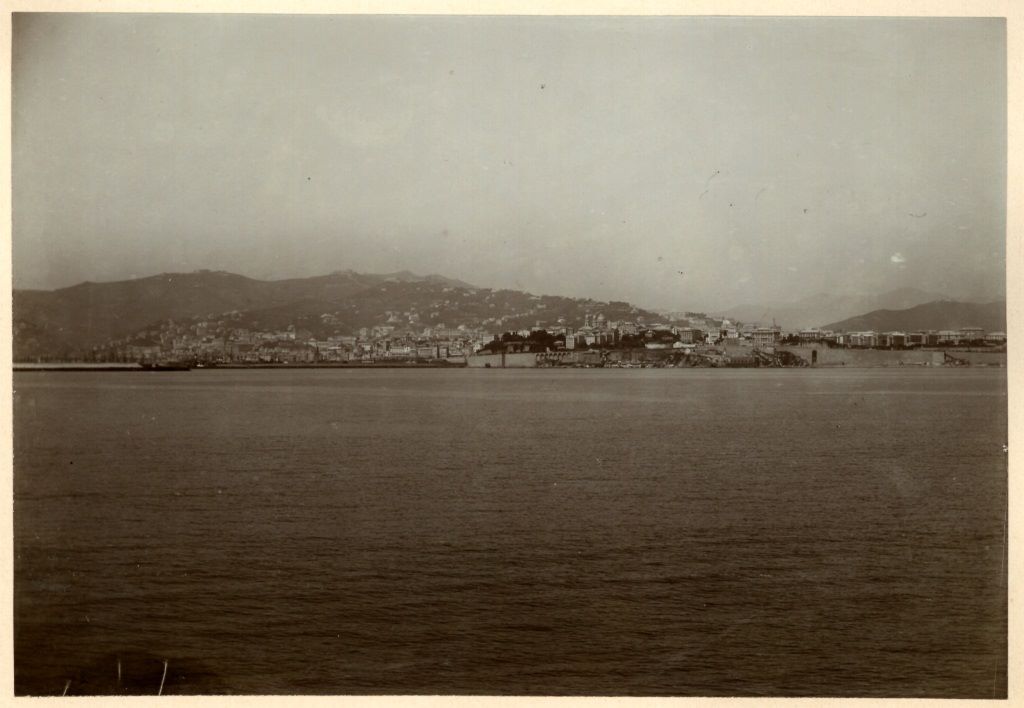
Monaco-Ville, known locally as Le Rocher (the Rock), is the historic heart of the Principality. This dramatic rocky promontory jutting into the Mediterranean has been inhabited since prehistoric times and became the seat of the Grimaldi dynasty in 1297. Today it remains the political and spiritual centre of Monaco, home to the Prince's Palace, the Cathedral, the government buildings, and the oldest streets in the country.
The quarter sits about 60 metres above sea level and is entirely pedestrianised. Its narrow lanes, pastel-coloured facades, and small independent shops give it a village atmosphere that feels a world apart from the high-rises of Monte-Carlo just across the port.
Key Attractions
Prince's Palace (Palais Princier)
The official residence of the Sovereign Prince of Monaco dominates the Place du Palais. Built as a Genoese fortress in 1215 and expanded over the centuries, it blends medieval, Renaissance, and Italianate elements. The State Apartments are open to visitors from April to October, featuring frescoed galleries, the Throne Room, and the Palatine Chapel.
The Changing of the Guard (Relève de la Garde) takes place daily at 11:55 am and is one of Monaco's most popular free attractions. The Carabiniers du Prince, in their white summer or dark winter uniforms, perform the ceremony with military precision.
Cathedral of Our Lady Immaculate
Built in 1875-1903 from white La Turbie stone in Romanesque-Byzantine style, the Cathedral stands on the site of a 13th-century church. It contains the tombs of past sovereigns, including Princess Grace (Grace Kelly) and Prince Rainier III. The interior features a notable altarpiece by Louis Bréa (1500) and regular organ concerts.
Oceanographic Museum (Musée Océanographique)
Perched on the southern cliff face, this monumental museum was founded in 1910 by Prince Albert I, a pioneer of oceanography. The building itself is architecturally striking, rising directly from the cliff. Inside: aquariums with over 6,000 marine specimens, exhibits on ocean exploration and conservation, and a rooftop terrace with one of the best sea views in Monaco. Allow at least 90 minutes.
Chapel of Mercy (Chapelle de la Miséricorde)
This small 17th-century chapel on Rue Basse houses a carved wooden sculpture of the Dead Christ attributed to Monegasque sculptor François-Joseph Bosio. It is the seat of the Confraternity of Black Penitents and is open to visitors.
Old Town Streets
The pedestrian lanes of Monaco-Ville are lined with restaurants, souvenir shops, and a few genuine artisan boutiques. Rue Basse and Rue Emile de Loth are the main thoroughfares. Look for traditional Monegasque dishes at the restaurants clustered near Place Saint-Nicolas, including barbajuan, stocafi, and fougasse.
Jardin Saint-Martin
On the southern edge of the Rock, this terraced garden cascades down the cliff above the sea. Created in the 1830s, it is planted with Mediterranean pines, agaves, and succulents, with benches along paths that offer dramatic coastal views. It connects the Palace area to the Oceanographic Museum and is one of the most peaceful walks in Monaco.
Getting There
Monaco-Ville is pedestrian-only. Access is via:
- Public lifts: Free elevators connect the port level (near the car park at Place d'Armes) to the Rock. The main lift is at the Rampe Major.
- On foot: Climb the Rampe Major stairway from La Condamine (5-10 minutes, steep).
- Bus: CAM Bus 1 and Bus 2 stop near the Rock. The nearest stop is Place de la Visitation.
- Tourist train: A small road train runs a circuit from the Oceanographic Museum through Monaco-Ville (seasonal).
Practical Information
- Best time to visit: Morning, before 10 am, for fewer crowds. The Changing of the Guard at 11:55 draws the biggest gatherings.
- Duration: Allow 2-3 hours to see the Palace exterior, Cathedral, old town streets, Jardin Saint-Martin, and a quick visit to the Oceanographic Museum.
- Dining: Restaurants on the Rock are tourist-oriented and moderately priced. For better value, eat in La Condamine at the foot of the Rock.
- Accessibility: The Rock is accessible via public lifts, but some streets are cobblestoned and uneven. The Oceanographic Museum has step-free access.
The information provided is for general guidance only. For official procedures, always consult the official sources.
Related pages
See all guidesMonaco Antibes & Juan-les-pins - Dynamic Riviera Beach Towns
Antibes and Juan-les-Pins, beaches, old town, museums, and day trips from Monaco
Beausoleil Guide
Beausoleil, attractions, views, dining, and day trips from Monaco
Cannes Day Trip From Monaco:
Monaco: 'Cannes day trip: 1 hour by train, Film Festival, La Croisette, Lérins Islands'
Cap Dail Guide
Guide to Cap-d'Ail, beaches, hiking, coastal attractions, and day trips from Monaco