
Population and Demographics of Monaco
Comprehensive demographic statistics, population breakdown by nationality, and population trends in Monaco
Key facts
- Total Population
- ~36,500-37,000
- Population Density
- Highest in Europe (over 19,000 per km²)
- Monegasque Citizens
- ~8,000-9,000 (22-25% of population)
- Major Nationalities
- French, Italian, British, Belgian, American
- Area
- 2.02 km² (0.78 sq mi)
Overview
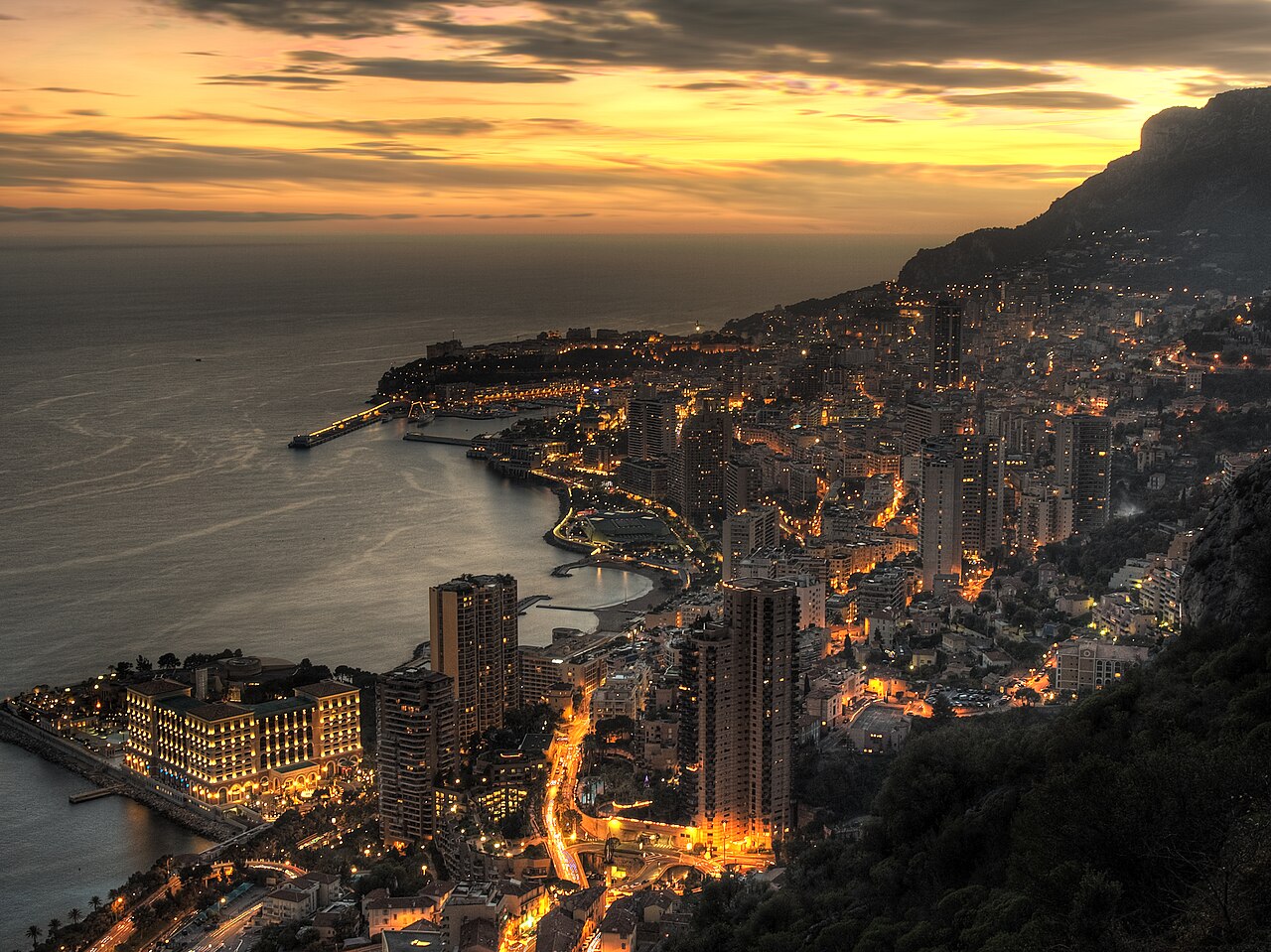
Monaco is one of Europe's smallest and most densely populated territories. With a resident population of approximately 36,500-37,000 people spread across just 2.02 square kilometers (0.78 square miles), Monaco maintains a unique demographic profile characterized by a wealthy, multinational population and significant expatriate presence.
Population Statistics
Total Population Figures
Monaco's population has remained relatively stable in recent decades, fluctuating between 30,000 and 37,000 residents. Current estimates place the population at approximately 36,500-37,000, making it one of Europe's most populated city-states relative to area.
The population structure reflects Monaco's status as a wealthy jurisdiction with a developed economy. Natural population growth is modest, with most population changes attributable to migration patterns and expat settlement patterns.
Population Density
Monaco ranks among the world's most densely populated territories:
| Metric | Value |
|---|---|
| Total Area | 2.02 km² (0.78 sq mi) |
| Population Density | >19,000 per km² |
| Ranking | 2nd in world (after Vatican City) |
| Comparable Density | Hong Kong, Singapore, Malta |
This extreme density reflects Monaco's geographic constraints as a small coastal nation and its development as an ultra-compact urban state with no agricultural land.
Nationality Breakdown
Monegasque Citizens
Approximately 8,000-9,000 residents hold Monegasque citizenship, representing 22-25% of the total population. Monegasque nationality is governed by specific residency requirements and descent rules. Only those born to at least one Monegasque parent or meeting specific residency criteria can acquire Monegasque citizenship.
The indigenous Monegasque population has cultural roots in the Ligurian region and maintains distinct cultural traditions, including the Monegasque language (related to Ligurian and Occitan linguistic families).
Expatriate Population Composition
The remaining 75-78% of Monaco's population consists of foreign nationals. Key expatriate communities include:
| Nationality | Approximate % | Community Size | Notes |
|---|---|---|---|
| French | 20-22% | 7,500-8,000 | Largest expatriate group; border proximity |
| Italian | 12-14% | 4,500-5,000 | Historical ties; geographic proximity |
| British | 8-10% | 3,000-3,500 | Growing community, post-Brexit adjustments |
| Belgian | 5-7% | 2,000-2,500 | Established expatriate community |
| American | 4-5% | 1,500-1,800 | Growing professional expatriate group |
| Swiss | 3-4% | 1,200-1,500 | Wealth management professionals |
| German | 2-3% | 800-1,000 | Smaller established community |
| Other | 20-25% | 7,000-9,000 | Over 100 nationalities represented |
Monaco's expatriate population includes wealthy retirees, business professionals, financial sector employees, service industry workers, and diplomatic personnel.
Age Structure and Family Demographics
Monaco has an aging population consistent with developed European nations. The median age is approximately 54-56 years, reflecting both the migration of retirees to Monaco and relatively low birth rates.
Family structures in Monaco include:
- Young professional families - often associated with financial and maritime industries
- Retirees - attracted by climate, healthcare, and tax considerations
- Intergenerational wealthy families - with long-standing Monaco residence
- Single professionals - in banking, real estate, and service sectors
Population Trends and Changes
Historical Growth
Monaco's population has grown modestly since the 1960s:
- 1960s: ~20,000 residents
- 1980s: ~27,000 residents
- 2000s: ~32,000 residents
- 2020s: ~36,500-37,000 residents
Growth has been primarily driven by immigration rather than natural population increase. The post-war period saw significant development and expansion that attracted international residents.
Recent Trends
Recent population trends include:
- Stabilization - population growth has moderated since the 1990s
- Aging - median age continues to increase
- International composition - increasing diversity of expatriate nationalities
- Service sector growth - related growth in service industry workers
- Post-pandemic patterns - return of expatriate residents following COVID-19 restrictions
Administrative Divisions and Population Distribution
Ten Wards (Circonscriptions)
Monaco is divided into ten administrative wards for census and political representation purposes:
- Fontvieille - newer developed area with residential and commercial districts
- La Rousse/Saint Michel - central residential area
- La Condamine - historic port quarter
- Monégetti - residential district
- La Rousse Nord - northern residential area
- Jardin Exotique - eastern district
- Moneghetti Est - eastern residential zone
- Réviera - southern district
- La Rousse Ouest - western district
- Saint Michel - central area
Population distribution varies by ward, with newer areas like Fontvieille having younger populations and established areas showing older demographics.
Education and Qualifications
Monaco's population includes a high proportion of university-educated residents. The available workforce is characterized by:
- High educational attainment
- Multilingual capability (French, English, Italian commonly spoken)
- Professional specialization in finance, real estate, and service industries
- International work experience
Healthcare and Life Expectancy
Monaco maintains life expectancy figures consistent with Western Europe's most developed nations:
- Life expectancy at birth: ~86-89 years
- Access to advanced medical services through CHPG and private providers
- Low infant mortality rates
- Comprehensive health insurance coverage
Migration and Residency Patterns
Factors Attracting Migrants
Key factors driving migration to Monaco include:
- Tax advantages - favorable tax regime for residents
- Climate - Mediterranean climate and coastal location
- Political stability - stable constitutional monarchy
- Quality of life - high living standards, safety, healthcare
- Financial services - global financial hub opportunities
- Real estate investment - property value appreciation
Residency Requirements
Non-Monegasque residents typically must meet financial requirements and housing conditions. The Monaco Welcome Office assists with residency procedures for qualified applicants.
Statistical Resources
For detailed demographic data and statistics:
- IMSEE (Institut Monégasque de la Statistique et des Études Économiques) - Official source for population statistics, census data, and demographic trends
- Gouv.mc - Government portal with official statistics and demographic information
- Statistical yearbooks - Annual publications with comprehensive demographic tables
Data Collection Methodology
Monaco conducts regular population censuses and maintains ongoing administrative records through:
- Decennial census operations
- Administrative registration systems
- Immigration and residency records
- National statistics collection programs
Population figures referenced in official documents may vary slightly based on methodology and inclusion of temporary residents versus permanent registrations.
Conclusion
Monaco's population represents a unique demographic profile within Europe—a small, wealthy, multinational community with very high population density. The composition reflects Monaco's role as a global financial center, luxury destination, and cosmopolitan city-state. Understanding Monaco's demographic structure is essential for those considering relocation, conducting business, or researching European demographics and migration patterns.
Frequently asked questions
The information provided is for general guidance only. For official procedures, always consult the official sources.
Related pages
See all guidesMonaco Moneghetti Neighbourhood - Residential Charm
Moneghetti: residential neighbourhood, local shops, cafés and authentic Monaco district
Accessibility Guide for Monaco: Disabled Visitors
Monaco accessibility: wheelchair access, disabled services, hotels, transportation, attractions
Monaco La Condamine - Local Life And Market
'La Condamine neighbourhood: market, local shops, restaurants, everyday Monaco and visitor guide'
Understanding the Conseil National of Monaco
The Conseil National legislative body—elections, structure, legislative process, and role in Monaco's government.