Monaco at a glance: essential facts about the Principality
Key facts about Monaco: geography, population, government, economy, language and what makes the Principality unique.
Key facts
- Status
- Sovereign principality
- Head of State
- Prince Albert II
- Area
- 2.02 km²
- Population
- ~39,000 residents
- Nationalities
- Over 140
- Official language
- French
- Currency
- Euro (€)
- Dialling code
- +377
Geography
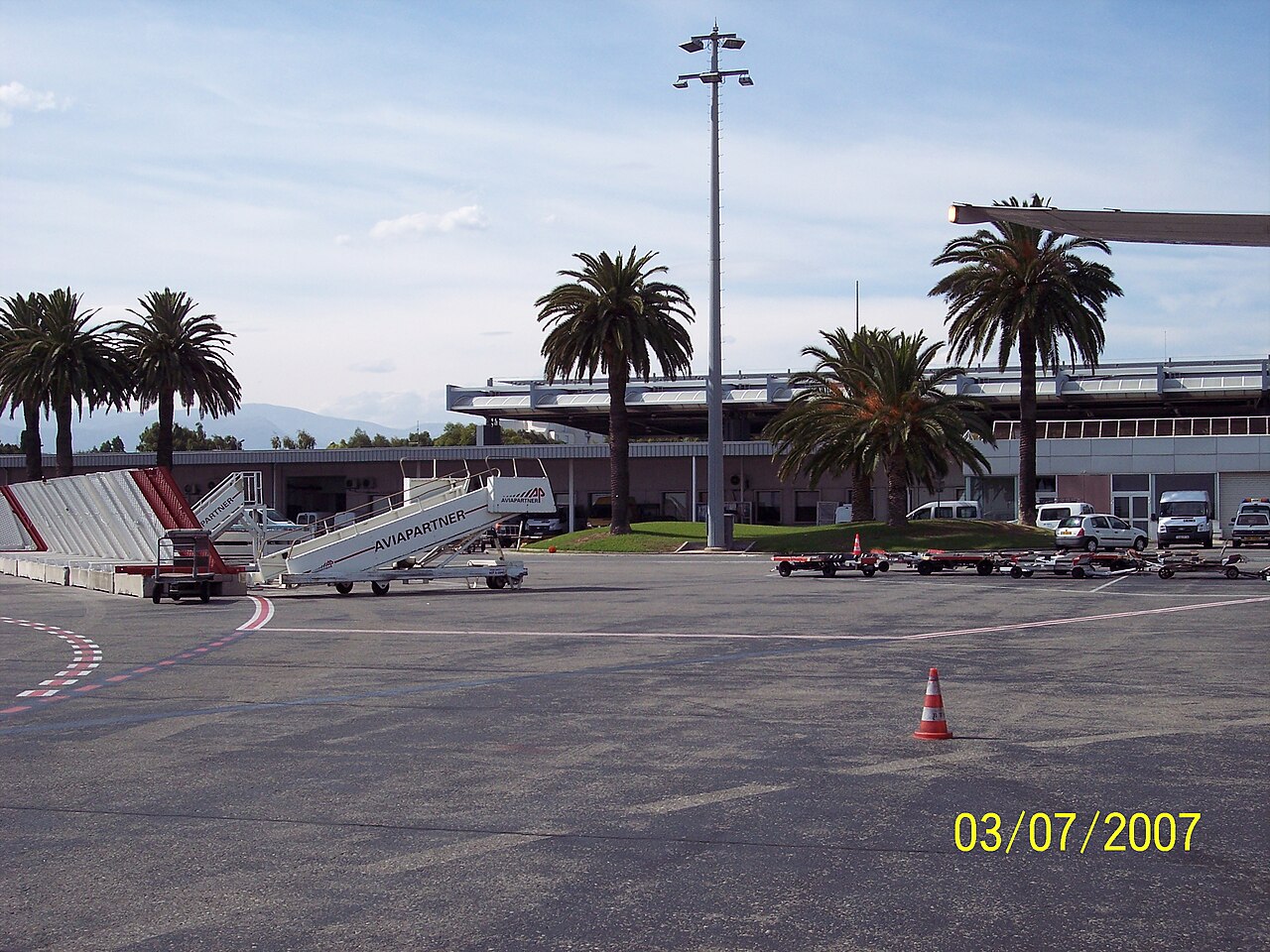
Monaco sits on the French Riviera between France and the Mediterranean Sea, approximately 15 km from Nice airport and a few kilometres from the Italian border. At 2.02 km², it is the second-smallest sovereign state in the world after Vatican City.
The territory stretches along a narrow, steep coastline with significant elevation changes, compensated by an extensive network of free public lifts and escalators.
Government
Monaco is a hereditary constitutional monarchy. The Head of State is the Sovereign Prince, currently H.S.H. Prince Albert II, who ascended to the throne in 2005.
Executive power is exercised by the Minister of State (appointed by the Prince) and the Council of Government. Legislative power is shared with the National Council, a 24-member unicameral parliament elected by Monegasque citizens.
Population
Monaco is home to approximately 39,000 residents of over 140 nationalities. Monegasque citizens make up roughly a quarter of the resident population. French, Italian and British nationals form the largest foreign communities.
Around 60,000 people commute to Monaco daily for work, primarily from neighbouring French and Italian towns.
Economy
Monaco's economy is diversified, built around:
- Financial services and wealth management
- Commerce and real estate
- Tourism and hospitality
- Congresses and international events
- Industry (cosmetics, fine chemicals, plastics)
Monaco is known for the absence of personal income tax for most residents, with a notable exception for French nationals under the 1963 Franco-Monegasque convention.
Districts
Monaco is divided into several districts, each with its own character:
- Monaco-Ville (The Rock): historic centre, Palace, Cathedral
- Monte-Carlo: casino, luxury hotels, Carré d'Or
- La Condamine: port, market, daily commerce
- Fontvieille: modern district, stadium, shopping, families
- Larvotto: beach, Grimaldi Forum, residential
- Moneghetti: Exotic Garden, quiet residential
- La Rousse / Saint-Roman: residential towers, eastern border
- Les Moulins: residential, park, quiet
- Le Portier (Mareterra): luxury eco-district, sea extension
Climate
Monaco enjoys a Mediterranean climate with around 300 days of sunshine per year. Winters are mild (8-12°C average) and summers warm (24-28°C). Rainfall is rare, mostly in autumn.
Safety
Monaco is considered one of the safest places in the world. Police density is high with extensive CCTV coverage. Crime rates are extremely low.
Frequently asked questions
The information provided is for general guidance only. For official procedures, always consult the official sources.
Related pages
See all guidesLiving in Beausoleil and commuting to Monaco
A practical guide to living in Beausoleil or nearby French towns while working in Monaco: border crossings, transport, costs and what to expect.
Registering with Your Consulate in Monaco
Guide to consular registration for foreign nationals living in Monaco, including requirements and benefits.
Your First Month In Monaco - Essential Setup And Integration
your first month in Monaco covering arrival logistics, registration, banking, healthcare, and community integration
Getting to Monaco: airport transfers, train, car and helicopter
How to get to Monaco from Nice airport and beyond: by car, train, helicopter and bus. A practical access guide for visitors and new residents.