Architecture And Historic Buildings In Monaco
Monaco's architectural heritage — Belle Époque, modern design, and iconic buildings
Key facts
- Primary Styles
- Belle Époque (1880–1920), Modern (1960–present)
- Most Iconic
- Casino de Monte-Carlo, Prince's Palace, Port structures
- Modern Development
- Fontvieille district (1970s–1990s), Portier project (recent)
- Architectural Heritage
- Protected historic buildings; UNESCO consideration
- Contemporary Trends
- Luxury residential towers, sustainable design integration
Historical Architectural Development
The Belle Époque Era (1880–1920)
Monaco's founding period as modern resort destination:
Characteristics of Belle Époque architecture:
- Ornate decorative facades — Elaborate stonework and moldings
- Grand proportion — Palatial scale buildings
- Classical elements — Neo-classical, Neo-Renaissance details
- High ceilings — Generous interior proportions
- Decorative materials — Marble, ornamental tiles, gilt details
- Strategic positioning — Buildings emphasize harbor views, prominent locations
Notable Belle Époque structures:
| Building | Date | Character |
|---|---|---|
| Casino de Monte-Carlo | 1863–1910 | Iconic; most famous Monaco building |
| Hotel de Paris | 1863 | Grand hotel; architectural jewel |
| Hermitage Hotel | 1895 | Belle Époque luxury hotel |
| Prince's Palace | Medieval origins, Baroque additions | Fortress-like; overlooks port |
| Cathédrale de Monaco | 1884–1903 | Neo-Romanesque; grand dome |
| Opera House | 1879 | Belle Époque theater |
| Various townhouses | 1880s–1910s | Residential Belle Époque |
Mid-Century Modern and Development Era (1920–1960)
Transition period — increasing commercialization:
Architectural trends:
- Art Deco influences (1920s–1930s) — Streamlined, geometric elements
- Post-war reconstruction (1945–1960s) — Practical, efficient designs
- Beginning of vertical development — Initial apartment towers
- Functional design — Less ornate than Belle Époque
- Mixed old/new — Historic buildings alongside modern structures
Contemporary Era (1960–Present)
Modern Monaco development:
Major phases:
| Phase | Period | Characteristics |
|---|---|---|
| Initial Development | 1960s–1970s | First residential towers; commercial expansion |
| Fontvieille Expansion | 1970s–1990s | Large-scale landfill development; modern district |
| Luxury Boom | 1990s–2000s | Ultra-premium residential towers; waterfront focus |
| Sustainability Integration | 2000s–present | Green building; sustainable design; modern luxury |
Architectural Districts and Areas
La Condamine (Harbor District)
Historic commercial and residential center:
Architectural character:
- Mixed ages — Belle Époque alongside modern structures
- Harbor-facing — Waterfront promenades and buildings
- Dense development — Compact urban fabric
- Commercial base — Ground-floor shops/offices common
- Historic core — Retains medieval street patterns in old town
Notable buildings:
- Port structures and harbor facilities
- Historic townhouses (mixed renovation states)
- Modern office buildings
- Upscale retail establishments
Casino Square and Surroundings
Monaco's most iconic neighborhood:
Architectural features:
- Casino de Monte-Carlo — Centerpiece; Belle Époque landmark
- Grand Hotels — Hotel de Paris, Hermitage (adjacent)
- Belle Époque streetscape — Preserved period character
- Monumental scale — Grand plazas and architectural proportions
- Tourist center — Designed to impress and attract visitors
Atmosphere:
- Formal, grand, palatial
- Historic preservation emphasis
- Pedestrian-friendly with wide promenades
- Garden features and public spaces
- Maintained Belle Époque character
Fontvieille District
Monaco's modern expansion zone (built on reclaimed land):
Characteristics:
- Purpose-built — Planned from inception; organized grid
- Modern architecture — Residential towers, 1970s–present construction
- Waterfront orientation — Harbor views central design
- Luxury residential — Premium apartment buildings
- Public spaces — Marina, promenades, shopping
- Contemporary amenities — Modern retail, dining, entertainment
Notable structures:
- Residential towers (20–40+ stories)
- Princess Grace Hospital (modern medical facility)
- Aquarium and Museum buildings
- Shopping centers (Galeries Lafayette anchors)
- Marina facilities and yacht berths
Design philosophy:
Modern Fontvieille represents planned urban development — creating a complete district with residential, commercial, recreational elements integrated from design phase.
Moneghetti and Residential Heights
Hillside residential neighborhoods:
Characteristics:
- Terraced construction — Built on steep slopes
- Panoramic views — Overlooking city and Mediterranean
- Mixed architecture — 1960s-present construction
- Less monumental — Residential scale focus
- Garden features — Landscaped hillsides
- Quiet, residential — Less commercial emphasis
Architectural types:
- Residential towers (medium to high-rise)
- Terraced apartment buildings
- Occasional villas (rare single-family homes)
- Incorporated green spaces
- Winding streets following topography
Revêtement (Reclaimed Land Areas)
Expanded waterfront zones:
Notable reclaimed land projects:
- Fontvieille — Largest and most successful expansion
- Harbor extensions — Port facility expansions
- Beach/beach clubs — Waterfront recreational areas
- Future developments — Ongoing expansion plans
Iconic Buildings and Landmarks
Casino de Monte-Carlo
Monaco's most famous architectural icon:
Design details:
- Style: Belle Époque; Eclectic with Neo-Baroque elements
- Architect: Charles Garnier (designer of Paris Opera)
- Construction: 1863–1910 (initial build 1863)
- Features: Ornate façade, grand atrium, gilt interior details
- Scale: Monumental; dominates surrounding streetscape
- Material: Stone, marble, decorative tile, bronze fixtures
Architectural significance:
- Represents height of Belle Époque elegance
- Designed to be grand and impressive (attracts visitors/gamblers)
- Interior matches exterior ornate decoration
- World-class example of resort architecture
- Continues to define Monaco's image globally
Prince's Palace (Palais Princier)
Official residence and symbol of Monaco sovereignty:
Architectural evolution:
- Medieval fortress — 12th century origins; defensive structure
- Baroque additions — 16th–17th century modifications
- Renaissance elements — Court renovations and expansions
- 19th century — Modernization and improvements
- Current state — Historic preservation with modern utilities
Distinctive features:
- Defensive positioning — Overlooks harbor; strategic location
- Parade ground — Large courtyard for ceremonies
- Tower elements — Remaining medieval fortifications
- Ornate gates — Grand formal entry
- Monumental stairs — Ceremonial approach
- Lived-in scale — Functioning residence (not museum-only)
Architectural interest:
Unique blend of medieval fortress, Renaissance additions, and Baroque ornament—unusual for palace architecture, reflecting Monaco's distinct history.
Cathedral (Cathédrale de l'Immaculée Conception)
Religious and architectural landmark:
Design characteristics:
- Style: Neo-Romanesque
- Construction: 1884–1903
- Material: White stone; distinctive dome
- Features: Rounded dome, arched windows, interior mosaics
- Purpose: Primary church; state ceremonies
- Notable interior: Grimaldi family tombs; religious artworks
Architectural prominence:
- Visible from many points in Monaco
- Distinctive white dome (landmark)
- Interior decoration worthy of cultural interest
- Combines religious and architectural tourism appeal
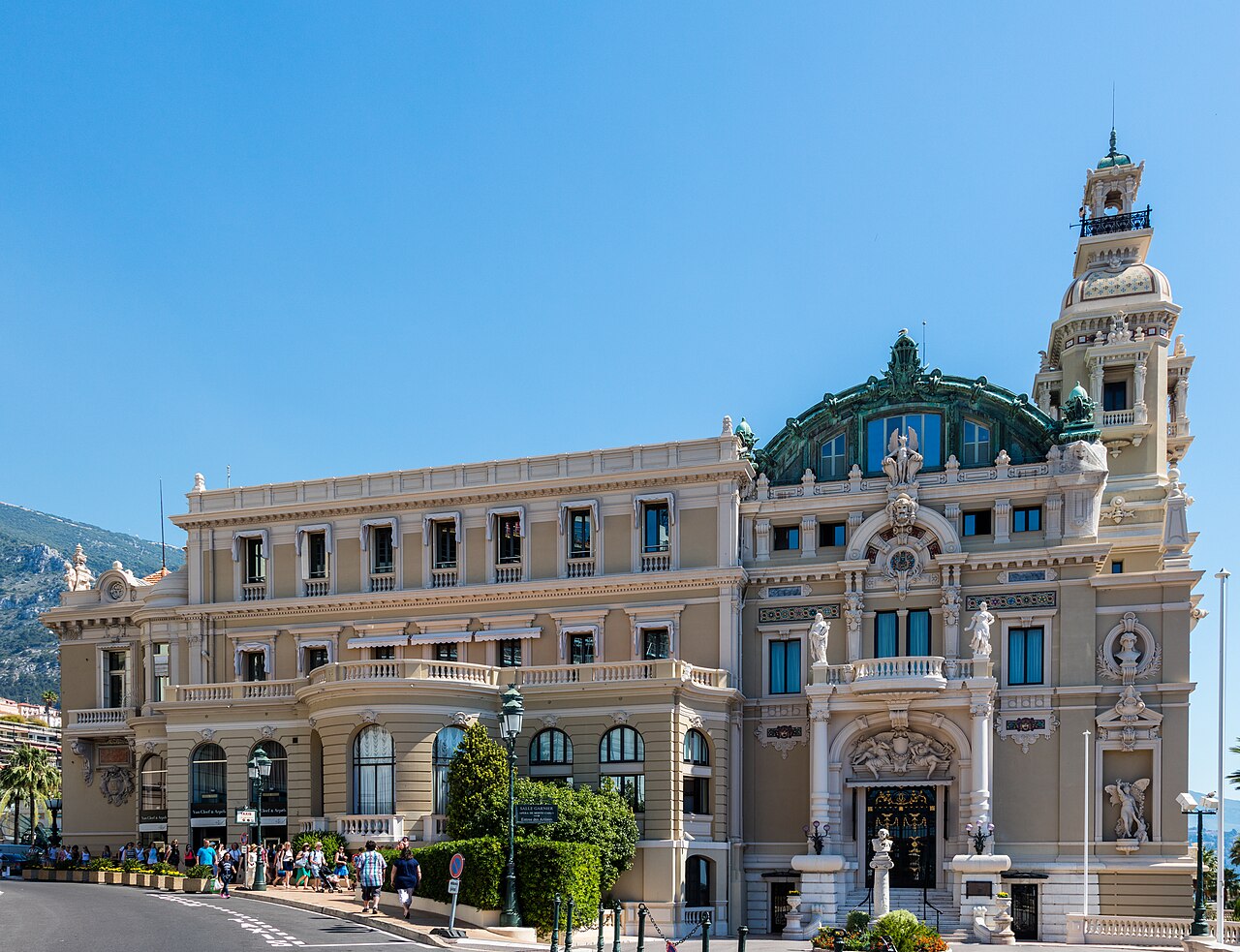
Opera House (Salle Garnier)
Historic performing arts venue:
Details:
- Style: Belle Époque theater
- Construction: 1879
- Architect: Charles Garnier (same as Casino)
- Features: Grand interior; ornate decoration
- Continued use: Active cultural venue (performances, ballet)
- Significance: Home of Ballets de Monte-Carlo
Architectural interest:
Purpose-built for performance; interior design acoustically and aesthetically considered; represents golden age of theater architecture.
Modern Architectural Developments
Contemporary Residential Architecture
Modern Monaco apartment towers:
Design characteristics:
- Vertical emphasis — Maximizing limited land area
- Glass and steel — Contemporary materials
- Harbor views — Strategic siting for vistas
- Luxury finishes — Premium materials and finishes
- Integrated amenities — Pool, gym, concierge in buildings
- Sustainable features — Energy efficiency, green roofs (increasingly)
Notable contemporary buildings:
- Portier district developments (ongoing)
- Various luxury residential towers in Fontvieille
- Waterfront apartment buildings
- Mixed-use residential-commercial projects
Grimaldi Forum
Modern conference and exhibition center:
Architectural design:
- Style: Contemporary; bold geometric forms
- Location: Waterfront, Larvotto district
- Features: Large open spaces; flexible configuration
- Material: Modern construction; glass and concrete
- Purpose: Conferences, exhibitions, events
- Significance: Gateway to Monaco from east
Design philosophy:
Represents modern Monaco — functional, professional, contemporary aesthetic while respecting waterfront location.
Sustainable and Green Architecture
Emerging trend in Monaco development:
Elements:
- Energy efficiency — Modern HVAC systems
- Solar integration — Rooftop solar panels (limited by aesthetics)
- Green spaces — Terraced gardens and landscaping
- Waste management — Integrated recycling systems
- Water conservation — Efficient fixtures and systems
- Material selection — Sustainable, recycled materials
Architectural Preservation and Heritage
Protected Structures
Monaco maintains heritage protection:
- Historic buildings register — Official list of protected structures
- Belle Époque district — Enhanced protection for period area
- Renovation requirements — Must maintain historic character
- Government oversight — Planning authority reviews changes
- Balance consideration — Preservation vs. modern needs
Urban Planning Constraints
Factors affecting Monaco's architecture:
- Extreme scarcity — Limited land drives vertical development
- Topography — Steep hillsides require terraced/engineered construction
- Density requirements — Efficient land use mandated
- Waterfront limits — Maritime boundary constrains expansion
- Heritage protection — Historic areas restrict radical changes
- Aesthetic guidelines — Design review for prominent locations
Architectural Walking Tour Highlights
Prominent Viewing Points
For observing Monaco's architectural mix:
- Monte Carlo plateau — Views of Casino, Hotel de Paris, historic district
- Harbor promenades — Waterfront buildings and port structures
- Fontvieille promenade — Modern towers and waterfront development
- Hillside neighborhoods — Terraced buildings with city views
- Street-level exploration — Individual building details and facades
Notable Streets and Areas
- Casino Square surroundings — Belle Époque concentration
- Rue Grimaldi — Historic shopping street; mixed architecture
- Port waterfront — Harbor buildings and boats backdrop
- Fontvieille marina — Modern development showcase
- Old town winding streets — Medieval street pattern (limited surviving medieval buildings)
Contemporary Architectural Projects
Portier Development
Major ongoing project:
- Location: Former heliport land west of city
- Vision: Sustainable luxury residential district
- Features: Green spaces, mixed-height buildings, public access
- Significance: Shows Monaco's contemporary design approach
- Timeline: Multi-year development
Urban Renewal Projects
Various ongoing improvements:
- Waterfront enhancements — Public space improvements
- Building facade renovations — Historic preservation efforts
- Infrastructure modernization — Utilities, transportation improvements
- Public space development — Plazas, gardens, promenades
Architectural Tourism and Resources
Visiting Architectural Sites
Key buildings open or visible:
- Casino de Monte-Carlo — Interior open for tours (museum access)
- Prince's Palace — State apartments open during summer (check schedule)
- Cathedral — Generally open for visits (observe respectfully)
- Opera House — Accessible during performances or special tours
Architectural Appreciation
For deeper engagement:
- Guided tours — Architecture tours available through tourism agencies
- Photography — Significant architectural photography opportunities
- Publications — Books on Monaco's architecture available in libraries
- Museums — Architectural history discussed in Monegasque museums
- Professional associations — Architecture institutes document Monaco's buildings
Important Notes
- Specific access to buildings varies; verify visiting hours
- Photography policies differ by location
- Some buildings have restricted hours or require special permission
- Respect private properties and security measures
- Historic building facades often closed for restoration (check current status)
For current information on architectural sites, guided tours, and preservation initiatives, consult tourism agencies or government resources.
Frequently asked questions
The information provided is for general guidance only. For official procedures, always consult the official sources.
Related pages
See all guidesMuseums and monuments in Monaco: a comprehensive visitor guide
A guide to Monaco's museums and monuments: the Oceanographic Museum, Prince's Palace, Cathedral and more, with practical visitor information.
Monaco Oceanographic Museum: Complete Visitor's Guide
Guide to the Musee Oceanographique de Monaco: exhibits, aquarium, tickets, opening hours and tips for visiting with children.
Day trips from Monaco: Eze, Menton, Nice and the French Riviera
Guide to the best day trips from Monaco: hilltop villages, coastal towns, transport options and what to see nearby on the Cote d'Azur.
Art auctions and auction houses in Monaco
Guide to art auctions, auction houses, and the art market in Monaco including galleries and dealers.