Monaco Grand Prix - History and Evolution
History of the Monaco Grand Prix from 1929 to present: circuit evolution, legendary drivers, famous moments, and the race's significance in Formula 1.
Key facts
- First Race
- 1929 (April 14)
- Circuit Length
- 3.337 km (road circuit)
- Lap Count
- 78 laps
- Race Duration
- Approximately 2 hours
Origins (1929-1950s)
First Grand Prix
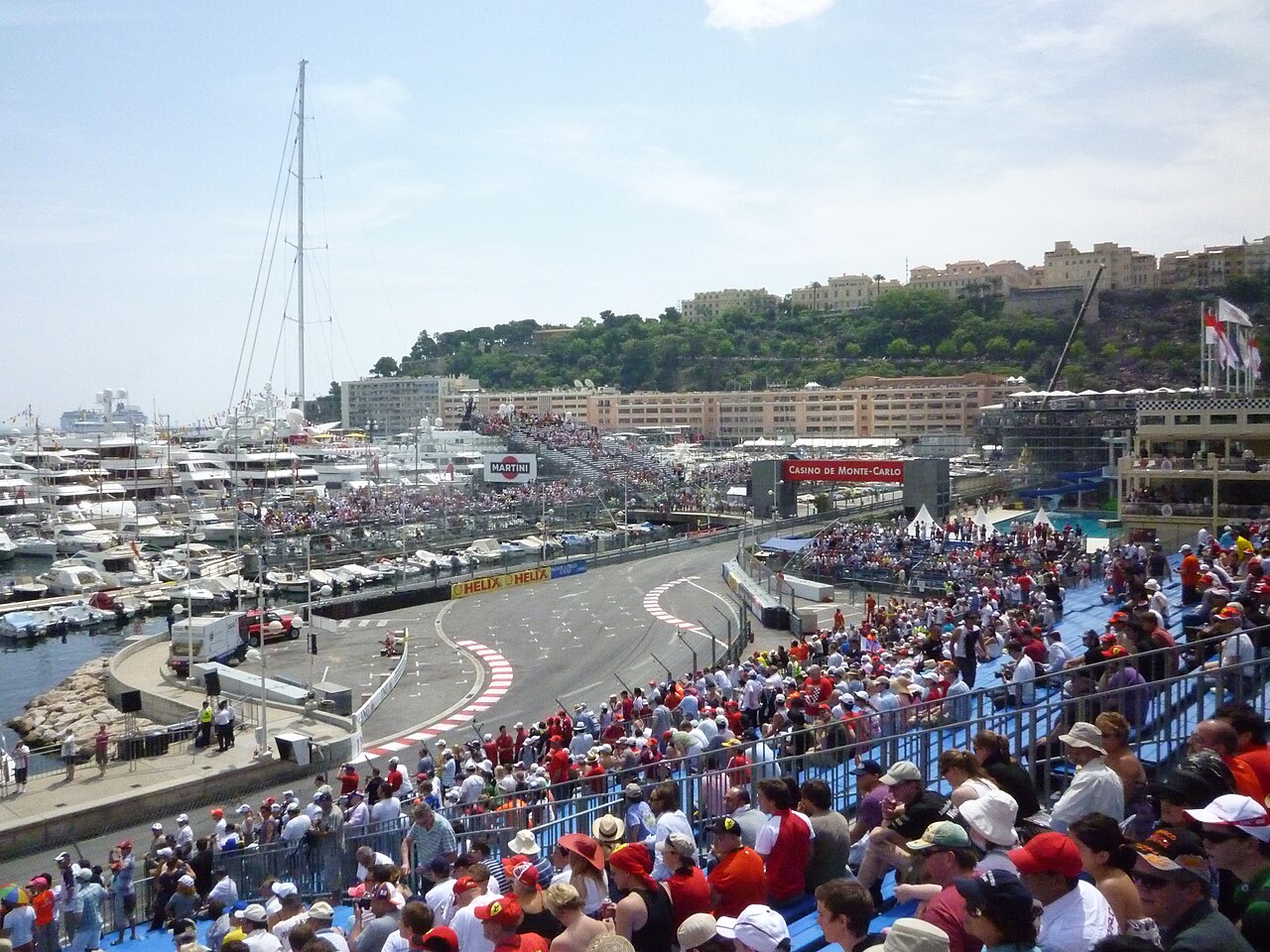
The Monaco Grand Prix began on April 14, 1929, organized by Prince Louis II of Monaco through the Automobile Club de Monaco (ACM). It was the world's second Grand Prix ever held, making it one of the oldest continuously held motor races.
The inaugural event was won by William Grover-Williams, driving a Bugatti T35B. The race used the public streets of Monte-Carlo as a racing circuit, a unique concept that continues today.
Early Era Significance
- Prestige from inception: Immediately established as prestigious event
- Unique street circuit: First major street race, foreshadowing future city-center F1 races
- Royal patronage: Prince's involvement elevated status
- Technical challenge: Tight corners and street layout tested driver skill uniquely
- Glamorous setting: Monte-Carlo's luxury district attracted wealthy spectators and competitors
Golden Age (1950s-1970s)
Formula 1 Era Begins
When Formula 1 was established in 1950, Monaco Grand Prix was one of the five founding races. It immediately became one of the most prestigious events on the calendar.
Legendary Drivers
Juan Manuel Fangio (Argentina)
- Four-time F1 World Champion
- Dominant through the 1950s
- Multiple Monaco podiums; demonstrated mastery of street circuits
Ayrton Senna (Brazil)
- Record holder: Six Monaco Grand Prix victories
- Victories: 1987, 1989, 1990, 1991, 1992, 1993
- Senna's emotional connection to Monaco made it his favorite race
- Demonstrated unparalleled control in wet conditions and tactical racing
Alain Prost (France)
- Multiple Monaco victories
- Fierce rival to Senna at Monaco
- Known for smooth, calculated driving style
- Podium finishes: 6 second-place finishes, numerous podiums
Notable Moments (1950s-1970s)
- 1957: Juan Manuel Fangio's dramatic wet-weather victory
- 1961: Stirling Moss's rainy masterclass (Lotus)
- 1966: Jackie Stewart's first F1 victory at Monaco (aged 27)
- 1974: Emerson Fittipaldi's victory in the James Hunt era
Evolution (1980s-1990s)
Circuit Modifications
The circuit underwent significant changes:
- New barriers and safety features improved spectator and driver safety
- Modified corners (Loews, Portier sections)
- Improved run-off areas while maintaining tight, challenging nature
- Tunnel widening and resurfacing (1990s)
Notable Drivers of the Era
Ayrton Senna's Dominance
- 1987-1993: Senna's peak Monaco period
- Record six victories remain unmatched as of 2026
- Legendary wet-weather performances
- 1992, 1993 consecutive victories showcased consistency
Nigel Mansell, Alain Prost Battles
- 1980s-1990s rivalry era
- Intense on-track battles
- Prost's tactical victories
Famous Incidents
- 1982: Riccardo Patrese's massive crash at Portier
- 1984: Ayrton Senna and Alain Prost first rivalry at Monaco
- 1988: Senna's wet-weather mastery in heavy rain
- 1997: Michael Schumacher's era begins with Minardi collision controversy
Modern Era (2000s-Present)
Current Circuit Configuration
- Modern safety standards: SAFER barriers, medical facilities
- Pit lane relocated and modernized (early 2000s)
- Chicane at Tabac: Added to slow cars entering the tight section
- Improved drainage: Significant improvement for wet weather handling
- Grandstands upgraded: Modern facilities while maintaining sight lines
Dominant Drivers
Michael Schumacher (Germany)
- Five Monaco victories
- Record holder for single-season dominance in the early 2000s
Michael Schumacher to Lewis Hamilton Transition
- 2000s-2010s: Schumacher dominance
- 2010s-2020s: Lewis Hamilton era
Recent Champions
- 2010s-2020s: Multiple winners reflect competitive field
- Current era: Highly competitive, unpredictable outcomes
- 2024-2026: Various winners showcase modern F1 balance
Historic Significance
Why Monaco Remains Special
Prestige
- Oldest continuing F1 race (aside from Indianapolis 500 by date)
- Victory carries unique prestige among F1 drivers
- Career-defining achievement for many drivers
Difficulty
- Street circuit provides no run-off areas
- Crashes often end races immediately (unlike safer modern circuits)
- Requires supreme concentration and precision
- Wet weather racing extremely challenging
Spectacle
- Glamorous setting attracts global audience
- Unique atmosphere combining racing with luxury
- Television-friendly event
Legacy
- Influenced street circuit racing worldwide
- Inspired city-center Grand Prix races (Long Beach, Singapore, Baku, etc.)
- Maintains traditions while incorporating modern safety
Circuit Records
Speed Records
- Lap record: Varies by year due to regulation changes
- Modern lap time: Approximately 1:10-1:14 depending on conditions
- Average race speed: Approximately 150-160 km/h (limited by tight circuit)
Victory Statistics
- Most wins: Ayrton Senna (6 victories)
- Most poles: Various drivers (varies by era)
- Most podiums: Multiple legendary drivers shared throughout history
Evolution of Challenges
1929-1960s: Raw street circuit, limited safety 1970s-1980s: Safety improvements, modified barriers 1990s-2000s: Modern safety era, professional facilities 2010s-2026: Modern medical facilities, advanced barrier systems, professional broadcast infrastructure
The Monaco Grand Prix remains Formula 1's most glamorous and prestigious event, maintaining its unique character despite nearly a century of evolution. The combination of historical significance, spectacle, glamour, and extreme sporting difficulty ensures it remains central to F1's identity.
For detailed historical information and archives, consult the Automobile Club de Monaco's official records or the FIA's comprehensive Formula 1 history documentation.
Frequently asked questions
The information provided is for general guidance only. For official procedures, always consult the official sources.
Related pages
See all guidesMonaco E-Prix: Formula E Electric Racing
Guide to the Monaco E-Prix — Formula E's electric race on Monaco's streets. Circuit, schedule, tickets, and practical visitor information.
Monaco International Circus Festival: Guide
'Monaco Circus Festival in January: acrobats, performances, tickets, and family fun at Chapiteau'
Monaco International Fireworks Festival: Guide
Monaco: 'Fireworks Festival July-August over Port Hercule: 4 countries compete nightly'
Rolex Monte-Carlo Masters: Complete Guide
Tennis Masters in April: schedule, tickets, courtside seats, and how to watch at Monte-Carlo Country Club